
Quick guide before you climb a ladder
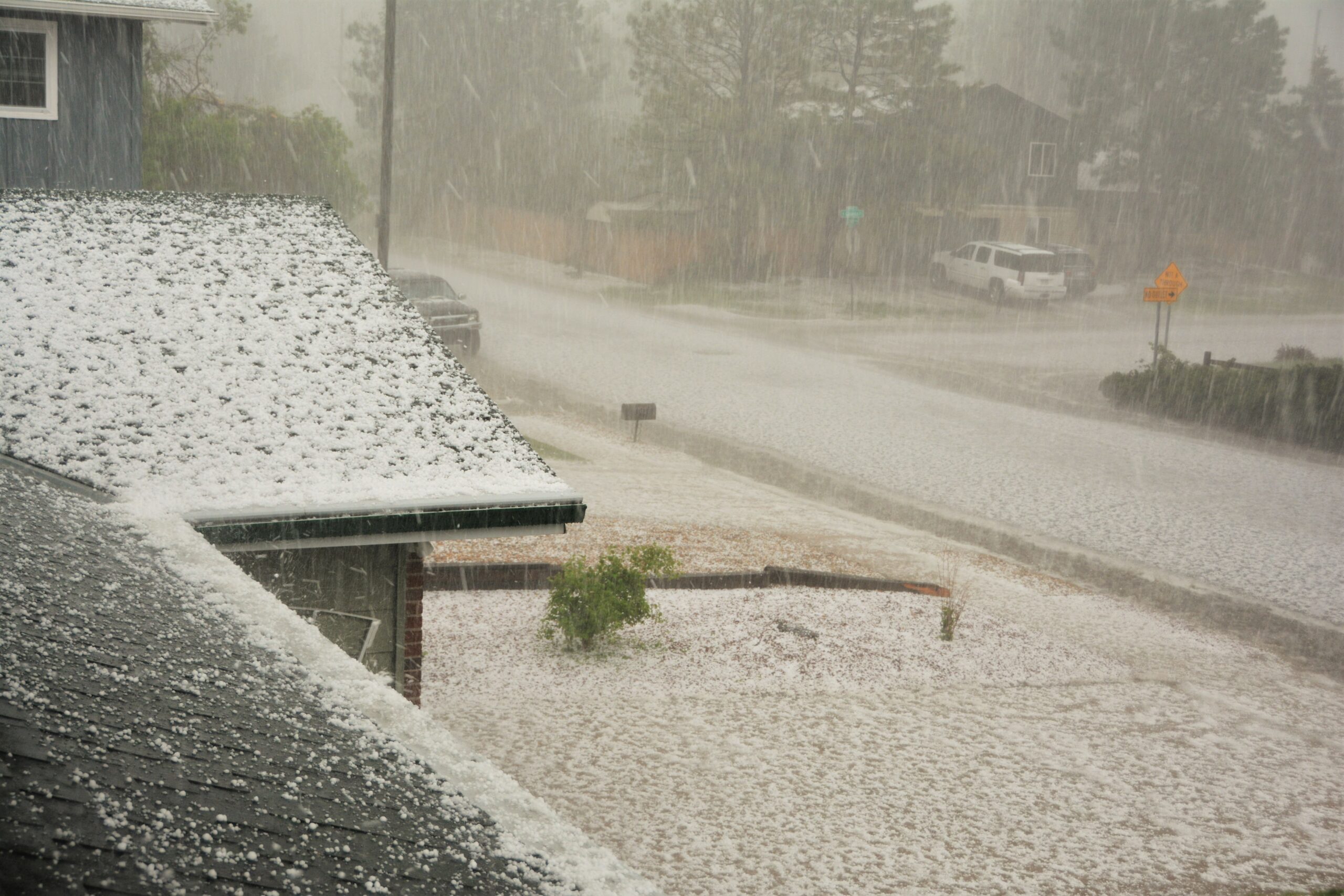
Hail damage roof inspection tips to spot real damage vs wear. Learn signs, costs, and when to file a claim. Get expert advice and schedule your inspection today. If a storm rolled through Waukesha or anywhere in Southeast Wisconsin and your shingles look rough, you are not alone. Hail can bruise shingles and dent metal, but many roofs also age in ways that look like storm damage. Here is a clear, local guide from Precision Home Exteriors LLC to help you tell the difference and decide what to do next.
How hail actually damages a roof vs normal wear and tear
Hailstones strike fast and hard. On shingles, the impact can crush granules, bruise the mat, and shorten the roof’s life even when leaks are not obvious. On metal, hail leaves round dings. On wood shakes, hail can split the grain. Normal aging looks different. Sun, heat, and foot traffic cause even patterns, scuffs, or gentle granule loss. A smart hail damage roof inspection looks for randomness and impact marks that match the storm, not just worn surfaces.
Asphalt shingles
Real hail damage on asphalt shingles shows up as circular spots where granules are missing and the surface looks fresh or dark. You might see small cracks that spread out from a center point. The shingle may feel soft if pressed soon after a storm, like a bruise on fruit. Normal wear tends to be even. You may see general granule loss at the eaves, streaks from algae, or blisters that pop from heat, which leave small bumps or popped pits. Those are not hail.
Cedar shake and wood shingles
Hail can split cedar shakes along the grain. Look for fresh, sharp splits with little weathering. The wood may have a crushed look at the point of impact. Regular aging on cedar looks like rounded edges, curling, and a gray patina. Old splits are weathered and do not look fresh or clean.
EPDM and low slope roofs
On EPDM or other single ply membranes, hail may leave circular impact marks, surface fractures, or small punctures. You may see spidering patterns around the strike. Wear and tear on flat roofs often shows as dirt scuffs, ponding water stains, or seam issues. If you cannot see a distinct impact ring, it could be foot traffic or simple weathering. Precision Home Exteriors LLC installs and repairs EPDM systems across Waukesha and nearby communities, and our team knows how to tell the difference with a careful hail damage roof inspection.
Ground level checks before you go up
You can often spot clues from the yard without any risk. A safe, careful look can tell you whether a full hail damage roof inspection is worth scheduling.
- Check metal items. Look at gutters, downspouts, mailbox, and metal window frames for round dents. If these show clear hits, the roof likely took hits too.
- Inspect soft surfaces. Hail leaves marks in soft aluminum, painted doors, and even wooden decks. Fresh dings support a storm impact claim.
- Look at your AC unit fins. Bent fins and dings often appear after hail. Document these with photos.
- Walk the perimeter. Granules washing out of downspouts and collecting at splash blocks can point to impact loss above.
- Compare sides. If only one elevation shows damage, wind direction during the storm may explain it. Random damage across multiple sides is common with hail.
On the roof: signs of real hail damage
If you are safe on a roof and comfortable with heights, you can check a few items. If not, do not climb. Precision Home Exteriors LLC is happy to perform a professional hail damage roof inspection and document everything for you.
- Random impact pattern. Hail hits are scattered, not in lines. You should see marks on shingles, vents, and flashings with no obvious pattern.
- Granule displacement at impact points. Look for fresh, dark spots that feel rough. The asphalt mat may be exposed. These areas may age faster and lead to leaks later.
- Soft bruising. Gently press suspected hits. A soft spot that gives slightly indicates damaged mat beneath granules.
- Cracked or fractured shingles. Some impacts cause crescent shaped cracks or small radial lines from a central hit.
- Dented metal. Check ridge caps, metal vents, chimney caps, and flashing for circular dings that match the storm.
- Gutter and fascia dents. Uniform hail dents along the gutter runs support roof damage even if shingles look subtle.
What is not hail damage
Many roofs in Wisconsin show aging that is not storm related. Insurers look for these differences during a claim. Knowing them saves time and frustration.
- Algae or mildew streaks. These are dark, streaky stains that do not have a circular impact pattern. Cleanable and not storm related.
- Blistering. Heat blisters look like small bumps. When they pop, they leave round pits but often with raised edges or a uniform spread. Hail marks do not have raised blisters.
- Manufacturing defects. Uniform granule loss or repeating patterns row by row may be a factory issue, not weather.
- Foot traffic scuffs. Light colored scuffs that follow a path near ladders or along peaks are common. Hail is random, not linear.
- Thermal cracking. Long, straight splits or cracks between tabs occur from temperature stress and aging.
- Old storm damage. Weathered, rounded impact spots may be from a prior storm. Fresh hail strikes look clean or dark, not sun faded.
DIY hail damage roof inspection checklist
Use this simple checklist to assess your home right after a storm. Take clear photos at each step. If you find two or more signs, call Precision Home Exteriors LLC for a full hail damage roof inspection and written report.
- Note the date, time, and direction of the storm. Write down hail size if you saw it.
- Walk the yard. Photograph dents on grills, mailboxes, downspouts, and deck rails.
- Check landscaping. Look for shredded leaves or broken stems on one side of the house.
- Inspect windows and screens. Take photos of tears or small holes in screens.
- Examine gutters and splash blocks. Look for granules at downspout exits.
- If safe, view the roof from a ladder at the eave. Use binoculars if needed. Do not walk the roof if steep or wet.
- Photograph any round, dark shingle spots, soft bruises, or metal dents. Include a coin or tape measure for scale.
- Check attic after the next rain. Look for new drips, damp decking, or daylight around penetrations.
- Call a trusted local pro. Precision Home Exteriors LLC can confirm damage, document findings, and advise on repairs or claims.
Timing matters in Wisconsin
Our area sees fast temperature swings. A bruised shingle that looks minor in April can leak after a hot July week. Ice in winter also stresses compromised areas. If you suspect impact damage, schedule a hail damage roof inspection within a few days of the storm. Early documentation improves your position with insurance and helps you plan repairs before small issues grow.
Insurance basics: what to do if you suspect hail damage
The claim process can feel confusing. Here is a simple sequence many Wisconsin homeowners follow. Your policy and carrier rules will vary, so always check your documents.
- Document right away. Photos and notes from the same day are best.
- Get a professional opinion. Precision Home Exteriors LLC provides detailed inspection reports with photos that separate storm damage from age related wear.
- Call your insurer to open a claim if the inspection supports storm damage. Provide the date of loss and any documentation you have.
- Meet the adjuster. We can meet on site to walk the roof and explain our findings if you request it.
- Review the scope. Compare the adjuster’s scope with our report. We help you understand line items, code requirements, and local best practices.
- Complete repairs. We schedule work efficiently and use ethically sourced materials that meet manufacturer specs.
- Final paperwork. Keep all invoices and photos for your records.
Repair or replace: what it might cost
Costs depend on roof size, material, pitch, and how widespread the damage is. Here are general ranges to set expectations in Southeast Wisconsin. These are not quotes. A proper hail damage roof inspection is needed for accuracy.
- Asphalt shingle repairs. Replacing a few damaged shingles or a torn ridge cap may run a few hundred dollars. Larger sections increase cost.
- Asphalt shingle replacement. Many Waukesha homes fall between moderate and high when replacing a full roof, depending on shingle class and complexity.
- Cedar shake repairs. Spot repairs cost more than asphalt because of material and labor. Full replacements vary widely based on grade and layout.
- EPDM repairs. Patches, seam work, and penetration fixes are often cost effective if damage is localized. Full membrane replacement depends on square footage and insulation needs.
- Gutters and trim. Dented seamless aluminum gutters, screens, and downspouts may be replaced as part of a hail claim if damaged.
Precision Home Exteriors LLC believes in honest, fair prices and clear scopes. We do not oversell. If your roof only needs a small repair, we will tell you. If it needs full replacement for long term performance, we explain why and give you options.
Why homeowners choose Precision Home Exteriors LLC
We are a residential exterior contractor serving Waukesha and communities across Southeast Wisconsin. Our team brings a craftsmanship mindset to every project. We install roofing, siding, windows and doors, soffits, fascia, trim, and seamless gutters. We also handle concrete driveways, sidewalks, aprons, and patios. Our materials are ethically sourced and installed to manufacturer standards. We stand behind our work with guaranteed satisfaction, so you feel confident from the first inspection to the last nail.
- Local expertise. We know the weather patterns and building codes in Waukesha County and surrounding areas.
- Thorough hail damage roof inspection. We separate real storm damage from normal wear and document it clearly.
- Transparent pricing. No pressure, no surprises, and no upsells you do not need.
- Quality materials. Asphalt shingles, cedar shake, and EPDM options that fit your goals and budget.
- Full exterior support. Siding, gutters with screens and flip up downspouts, windows, doors, and aluminum wraps so your home is protected end to end.
You can view our Gallery at phe.contractors to see completed work, including asphalt shingle and EPDM low slope projects in and around Waukesha. While every home is unique, the results show the care we put into details.
Frequently asked questions
How big does hail have to be to damage a roof?
Quarter size hail can damage older shingles, thin metal, and soft aluminum trim. Larger stones increase the chance of damage, especially with strong winds. Age and shingle type also matter. A hail damage roof inspection looks at both the storm size and your roof condition.
Will my roof leak right away if it is hail damaged?
Not always. Many roofs do not leak immediately. Bruised shingles can slowly degrade and leak months later. That is why documentation soon after a storm is so important.
Should I wait for more damage before filing a claim?
No. Waiting can complicate claims and lead to more costly repairs. If you see signs of hail, document and schedule an inspection now.
Do I need to be home for the inspection?
It helps but is not always required. We can inspect the exterior, then share photos and a summary by phone or email. If an attic check is needed, a brief interior visit may be scheduled.
Will you meet my adjuster?
Yes. If you request it, Precision Home Exteriors LLC can meet your adjuster to review findings and answer technical questions.
Safety tips during any inspection
Do not walk a steep, wet, or damaged roof. Use stable ladders and spotters. Wear soft soled shoes. Avoid stepping on suspected bruises to prevent additional damage. If you feel any doubt, call Precision Home Exteriors LLC. We have the equipment and training to inspect safely and accurately.
The local checklist for Waukesha and Southeast Wisconsin
Our region sees hail most often in spring and summer. After a storm, run this simple local checklist:
- Confirm storm date and time. Weather reports help validate any claim.
- Check north and west elevations. Many storms track from the west or northwest here.
- Look at gutters and downspouts. Dents and granules are common signs.
- Inspect metal vent covers and chimney caps. Round dings are clear evidence.
- Call a local contractor with a strong track record. Precision Home Exteriors LLC brings experience and a craftsmanship approach to every hail damage roof inspection.
Schedule your hail damage roof inspection
If you think your roof has hail damage, do not guess. A precise inspection brings peace of mind and saves money long term. Call Precision Home Exteriors LLC at (262) 894-1154 or (262) 388-1600 to schedule. Our office hours are Mon to Fri 8 am to 4 pm, and Sat 9 am to 12 pm. You can also visit phe.contractors to learn more about our roofing, siding, windows and doors, soffits, fascia, trim, gutters, and concrete services. We will show you exactly what we find, explain your options, and stand behind our work with guaranteed satisfaction.
Bottom line
Hail damage and normal wear can look similar. The difference comes down to impact patterns, fresh material loss, and consistent signs across the roof and metal components. Use the tips above to check safely, then bring in a trusted local pro to confirm. Precision Home Exteriors LLC is ready to help with a thorough hail damage roof inspection, fair pricing, ethically sourced materials, and careful installation that protects your home for years. If you are in Waukesha or the surrounding Southeast Wisconsin area, we have you covered. Call today and get clear answers fast.
