
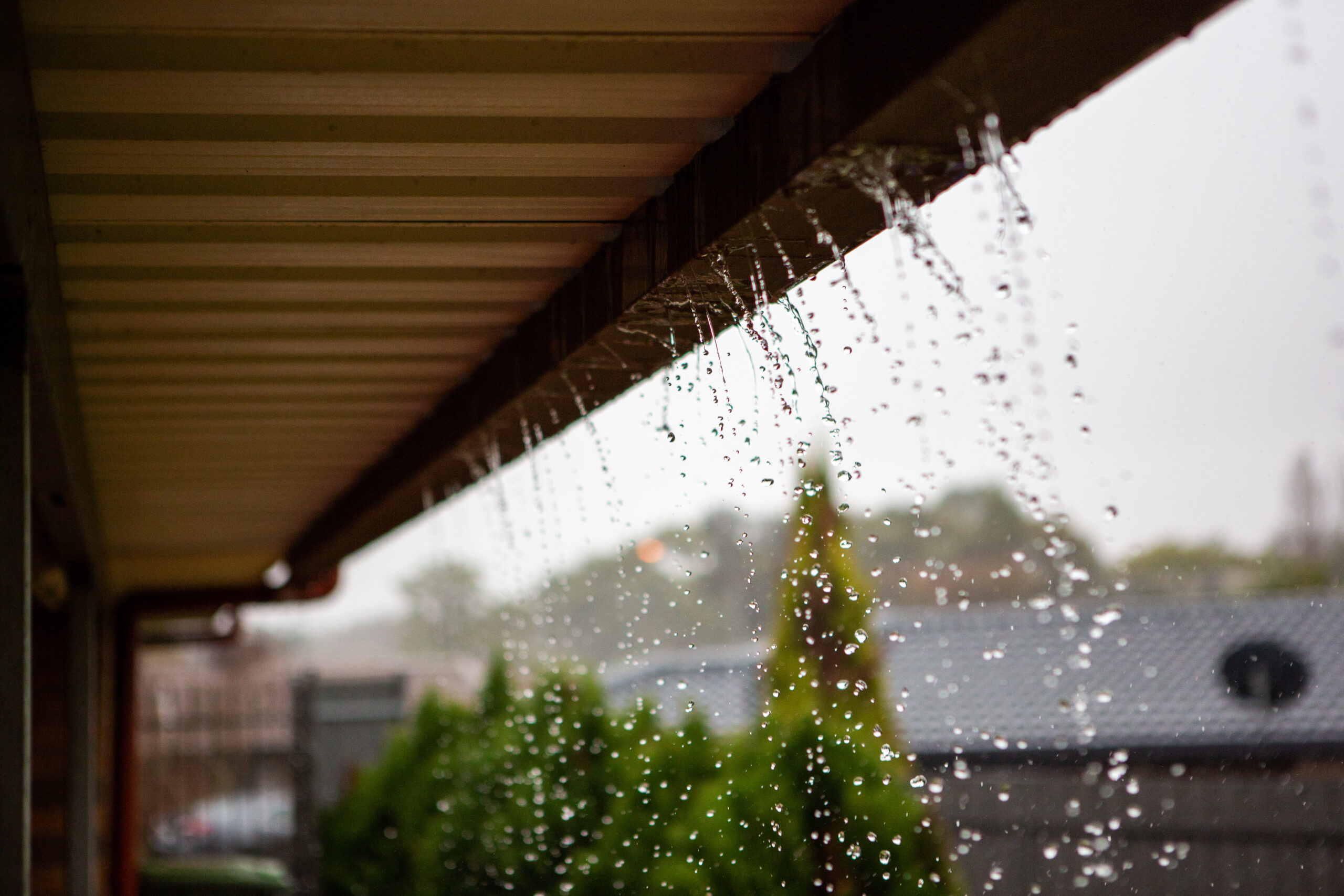
Gutters overflowing even when they look clean can feel frustrating. The rain is coming down, your gutter troughs look clear, yet water still spills over the edge. This guide explains the hidden causes, quick fixes, and prevention tips that keep water where it belongs. If you live in Waukesha or anywhere in Southeast Wisconsin, Precision Home Exteriors LLC is here to help protect your roof, siding, and foundation with honest advice and craftsmanship you can trust.
Why Gutters That Look Clean Still Overflow
The downspouts are blocked where you cannot see
Your gutters may look clear from the ground, but the real choke point is often inside the downspouts. Elbows and vertical runs collect seeds, shingle grit, and dirt. A partial blockage slows flow enough that water backs up in heavy rain. The top of the downspout outlet can also clog while the rest of the gutter appears open. This is one of the most common reasons for gutters overflowing.
Too few or undersized downspouts for your roof size
Even perfectly clean gutters will overflow if the system cannot move enough water. Many homes have only one downspout on a long run, or they use 2 by 3 inch downspouts where 3 by 4 inch would serve better. Large roof surfaces, steep pitches, and roof valleys send high volumes of water into the trough. Without enough downspouts, the gutter fills faster than it can drain, which leads to overflowing gutters during storms.
Improper slope and sagging sections
Gutters need consistent slope toward each outlet. If hangers loosen or fascia wood softens, a section can sag and create a low spot. Water pools, then spills over the front lip. From the ground it looks clean, but the water is trapped. Correct pitch and solid attachments are key to prevent gutters overflowing.
Hidden debris that looks harmless
Shingle granules, pollen, pine needles, and fine dirt can form a dense sludge along the bottom. It may look like a thin layer, but it reduces capacity and slows flow. Seedlings can sprout near outlets and create a dam. Birds and insects sometimes nest in corners, which blocks water without being obvious. Even a little grit in the wrong spot can create gutter overflow in a downpour.
Gutter guard overshoot or outlet clogs
Good guards reduce maintenance, but the wrong style can cause water to overshoot during heavy rain. Screens that sit above the gutter lip can change how water flows, especially under wind. Some guards trap debris around the outlet gap, which blocks the drain point. High quality systems matched to your roof pitch and rainfall are important, and installation angle matters. If your guards are not working with the water, they could be the cause of your gutters overflowing.
Roof design creates heavy water dumps
Where two roof planes meet, water rushes into valleys and hits the gutter in a concentrated stream. If there is no splash guard or diverter, it can shoot over the top even when the rest of the gutter is clear. Taller upper roofs discharging onto a lower roof also cause localized overflow. A targeted fix, like a valley splash guard, often solves this type of gutter overflow.
Drip edge or gutter apron issues
If the drip edge or gutter apron is missing or misaligned, water can run behind the gutter or jump past the front lip. You might not see it from the ground. This problem is common after roofing updates where metal edge and gutter spacing did not get aligned. Proper integration between roofing and gutters keeps water inside the trough.
Ice dams and freeze thaw cycles
In Waukesha and across Southeast Wisconsin, winter puts special stress on gutters. Ice can form at the edge of the roof and inside downspouts. As temperatures shift, water has nowhere to go and ends up spilling over. Repeated freeze thaw also loosens hangers and worsens pitch problems. Address insulation, ventilation, and gutter heat cable options if winter is a regular cause of gutters overflowing.
Clogged underground or extension drains
If your downspouts tie into buried drains or long extensions, a clog in that piping sends water back up the line. The gutter may look fine, but the outlet is effectively closed. Check where your downspout connects to any underground system. If water is not moving freely there, your gutter will overflow at the top.
Wind driven rain and overshoot
Strong winds push rain up and over the gutter edge. This is worse on steep roofs or shallow gutters. Even with a clean system and working downspouts, wind can create overflow during certain storms. The fix often involves larger gutters, better placement, or edge accessories that control the water path.
Quick Checks and DIY Fixes
Safety first
Use a sturdy ladder on stable ground, have a helper if possible, and wear gloves and eye protection. Avoid electrical lines. If you are not comfortable with ladders or your roof is steep, call a pro like Precision Home Exteriors LLC to handle inspection and cleaning.
10 minute diagnosis checklist
- Look for water marks: Check fascia boards and siding for streaks that show overflow patterns.
- Inspect outlets: From a ladder, clear the area around each downspout opening.
- Tap elbows: Knock gently on downspout elbows. A dull thud can indicate packed debris.
- Hose test: Run water into the gutter near the far end. Watch how fast it reaches the outlet.
- Check slope: Place a small level along the gutter lip. You should see a slight tilt toward the downspout.
- Watch valleys: Hose the valley and see if water shoots over the gutter edge.
- Look at guards: See if debris is caked over the outlet or if rainwater is bypassing the guard surface.
- Confirm drainage: If your downspout goes underground, disconnect it and test flow out in the open.
- Check hangers: Note any sagging or loose brackets every 18 to 24 inches.
- Review the edge: Make sure drip edge or gutter apron directs water into the gutter.
Simple fixes you can try today
- Flush downspouts from top to bottom with a garden hose. If water backs up, use a plumber’s snake to clear elbows.
- Clean the outlet area thoroughly. A small clog there can act like a stopper for the entire run.
- Add a temporary splash guard at valleys. Even a simple deflector can stop overshoot during storms.
- Reattach loose hangers and correct small sag spots if you are confident with basic tools.
- Disconnect and clear any underground extensions. Reconnect only after you confirm free flow.
- Trim back overhanging branches that drop leaves and seeds directly into the gutter.
- Check that downspout extensions discharge at least 5 feet from the foundation.
When to call a professional
If gutters continue overflowing after you clear obvious spots, you may have pitch errors, sizing issues, or guard misfit. Signs you need a pro include repeated overflow at the same area, water behind the fascia, rotten wood, ice buildup each winter, or standing water in the gutter even after a dry spell. Precision Home Exteriors LLC can diagnose and fix the root cause so you do not fight the same problem every storm.
Long Term Prevention That Actually Works
Design upgrades that stop gutters overflowing
- Go larger where needed: Upgrade from 5 inch to 6 inch seamless aluminum gutters on long runs or steep roofs.
- Use bigger outlets and downspouts: 3 by 4 inch downspouts move far more water than 2 by 3 inch.
- Add more downspouts: Long runs or large roof sections benefit from split drainage.
- Install valley splash guards: Control high volume discharge at roof valleys.
- Match gutter guards to your roof: Choose guards that handle local rainfall and your roof pitch without overshoot.
- Correct slope: Set a gentle, even pitch toward each outlet. Avoid low points and back pitch.
- Upgrade hangers and spacing: Use robust hidden hangers every 18 to 24 inches and more often near valleys.
- Add gutter apron or adjust drip edge: Make sure water flows into the gutter, not behind it.
- Use flip up downspouts: Keep extensions in place for drainage but move them easily for mowing or snow removal.
- Plan for winter: In ice prone areas, consider heat cables and improve attic insulation and ventilation to reduce ice dams.
- Choose seamless aluminum: Fewer joints mean less chance of leaks and clogs along the run.
- Direct water away from the home: Grade soil and use extensions to keep water off your foundation.
A seasonal care plan for Southeast Wisconsin
- Early spring: Flush gutters, check for winter damage, re secure hangers, and test all downspouts.
- Late spring: After seed drop, remove grit and seedlings around outlets.
- Mid fall: Clean after most leaves fall. Adjust splash guards before heavier rains.
- Late fall: Final clean before freeze. Ensure extensions are in place and underground drains are clear.
- Winter watch: After heavy snows, monitor for ice buildup. If you see icicles at the gutter face, plan a spring inspection for insulation and ventilation improvements.
Why prevention pays off
Gutters overflowing do more than make a mess. Overflow can rot fascia boards, stain siding, wash out landscaping, and seep into your foundation or basement. It can also void roof warranties if water backs up under shingles. Small upgrades and routine care protect your home’s structure and save money over time. A tuned gutter system adds value and peace of mind during Midwest storms.
How Precision Home Exteriors LLC Solves Overflow Problems
Precision Home Exteriors LLC is a residential exterior contractor focused on craftsmanship, ethically sourced materials, honest and fair pricing, and guaranteed satisfaction. Our team designs and installs systems that handle real Wisconsin weather. From Waukesha to communities across Southeast Wisconsin, we tailor solutions to your roof, your trees, and your drainage needs.
We offer seamless aluminum gutters, screens, and flip up downspouts, along with soffits, fascia, and trim services. Our work does not stop at gutters. We also install high quality roofing, including asphalt shingles, cedar shake, and EPDM for low slopes. We replace siding in aluminum and steel, LP SmartSide, vinyl, Hardie Plank, and cedar. We fit energy efficient windows and doors in vinyl, wood, and fiberglass. We also pour concrete for driveways, sidewalks, aprons, and patios. If overflow has already damaged fascia or trim, we can repair and wrap it in aluminum for long lasting protection.
When you call Precision Home Exteriors LLC, we inspect the entire water path. We check roof edges, valleys, gutter size and slope, downspouts, guards, and ground drainage. Then we give clear options with fair pricing. Whether you need simple outlet upgrades, a slope correction, new seamless gutters, or added downspouts, we build it right the first time.
We stand behind our work. Our materials are ethically sourced and installed by trained technicians who care about the details. That is how we deliver guaranteed satisfaction on every project. To see examples of our craftsmanship, visit phe.contractors and browse our gallery of local exterior projects. Many captions highlight Waukesha installations, including asphalt shingle replacements and EPDM solutions.
Ready to stop your gutters overflowing for good? Call Precision Home Exteriors LLC at (262) 894-1154 or (262) 388-1600. Our office hours are Monday through Friday 8 am to 4 pm, and Saturday 9 am to 12 pm. We are happy to schedule a free assessment and help you protect your home.
FAQs About Gutters Overflowing
Why do my gutters overflow only in heavy rain
Heavy storms push more water than a marginal system can handle. If your downspouts are small, your outlets are partially blocked, or your gutters are only 5 inch on a steep or large roof, everything might seem fine in a drizzle but overflow during intense rain. Valley splash and wind can also create overshoot only in certain storms. Upgrading outlets and downspouts, adding splash guards, and checking slope often solves it.
Do gutter guards stop overflow
They can help when sized and installed correctly. Good guards keep debris out and preserve flow. Poorly matched guards can cause water to fly over the edge or clog at outlets. Choose guards that match your roof pitch and local rainfall. Precision Home Exteriors LLC can advise on the best guard for your home and make sure outlets remain clear.
Should I switch from 5 inch to 6 inch gutters
In many cases, yes. Six inch seamless aluminum gutters carry more water and reduce overflow on long runs, steep roofs, and homes with large surface areas. Combined with 3 by 4 inch downspouts and larger outlets, the upgrade greatly improves performance during Wisconsin storms.
How much slope should my gutters have
Most homes need about a quarter inch of drop for every 10 feet of gutter toward the downspout. Long runs may need more or split drainage with downspouts on both ends. Too little slope leads to standing water. Too much slope can look uneven and rush water past outlets.
How often should I clean gutters in Waukesha
Plan on twice a year at a minimum. After seed drop in late spring and after leaf fall in late autumn. Homes under heavy tree cover may need quarterly checks. If you notice gutters overflowing between cleanings, focus on outlets and downspout elbows.
Water is getting behind my gutters. What does that mean
You may be missing drip edge or gutter apron, or the gap between the roof and gutter is wrong. Water can climb under shingles and run behind the gutter, which causes fascia rot and stains. A proper drip edge and apron integration fixes this, and Precision Home Exteriors LLC can correct it while adjusting slope and hangers.
Will concrete grading help with gutter overflow problems
It will not stop overflow in the trough, but it can prevent damage after overflow happens by directing water away from the foundation. If your downspouts pour onto flat or pitched-toward-home surfaces, new concrete aprons, sidewalks, or regrading can help. Precision Home Exteriors LLC offers concrete solutions that work with your drainage plan.
Your Next Steps
If your gutters are overflowing, do a quick outlet and downspout check. If that does not solve it, the cause is likely slope, sizing, or a design detail. That is where professional assessment pays off. Precision Home Exteriors LLC will evaluate your system, explain the findings in clear terms, and propose fair priced solutions that last. Call us at (262) 894-1154 or (262) 388-1600 during business hours, or visit phe.contractors to request an appointment. Keep water where it belongs and protect your home with a team that values craftsmanship, ethically sourced materials, and guaranteed satisfaction.
