
Why Soft Spots Matter in Wisconsin
Soft spots on siding, trim, or roof edges are more than a cosmetic issue. In Wisconsin, long winters, freeze thaw cycles, lake effect moisture, and summer storms put extra stress on a home’s exterior. Meltwater can push behind siding, ice dams can lift shingles, and wind driven rain can find the smallest opening. That moisture leads to wood rot, damaged sheathing, and air leaks that raise energy bills. Catching a soft spot early can prevent costly structural repairs. This guide shows you how to check for rot with simple tools, what different siding materials look like when they fail, and when to call Precision Home Exteriors LLC for a professional inspection.
What Is a Soft Spot and What Causes Rot
Wood Rot Basics
A soft spot is an area on your home’s exterior that feels spongy or weak to the touch. It often means the wood behind the surface has absorbed moisture and started to decay. Fungi thrive when wood moisture content rises above about 20 percent. Over time, fibers break down, paint blisters, fasteners loosen, and the surface yields when pressed. Even non wood products can hide rot in the sheathing or framing behind them, which is why a light press test matters.
Common Moisture Entry Points
- Cracked or missing caulk around windows, doors, and trim
- Poorly installed or damaged flashing at roof to wall joints
- Gutter overflows, clogged downspouts, or missing kickout flashing
- Ice dams that force water under shingles near eaves
- Improper grading or splashback near the bottom of siding
- Loose or warped siding panels and open seams
- Storm damage from hail, windborne debris, or fallen branches
- Nail holes, pest entry points, or failed fasteners
- Old paint that has peeled and exposed bare wood
Step by Step Checklist to Find Exterior Soft Spots
Set aside an hour for a careful walk around. Wear gloves and eye protection, and use a sturdy ladder with a stabilizer. Never lean a ladder on gutters. If anything looks unsafe, stop and schedule an inspection with Precision Home Exteriors LLC.
Tools You Will Need
- Flashlight for shaded areas and soffits
- Small awl or flat screwdriver for gentle probing
- Moisture meter if you have one, pin type is best
- Painter’s tape or chalk to mark areas of concern
- Phone camera to document issues for a contractor
- Ladder with non slip feet and a helper if possible
- Work gloves and safety glasses
Start With the Siding
- Stand 10 to 15 feet back and scan each wall for waves, bulges, buckling, or uneven seams.
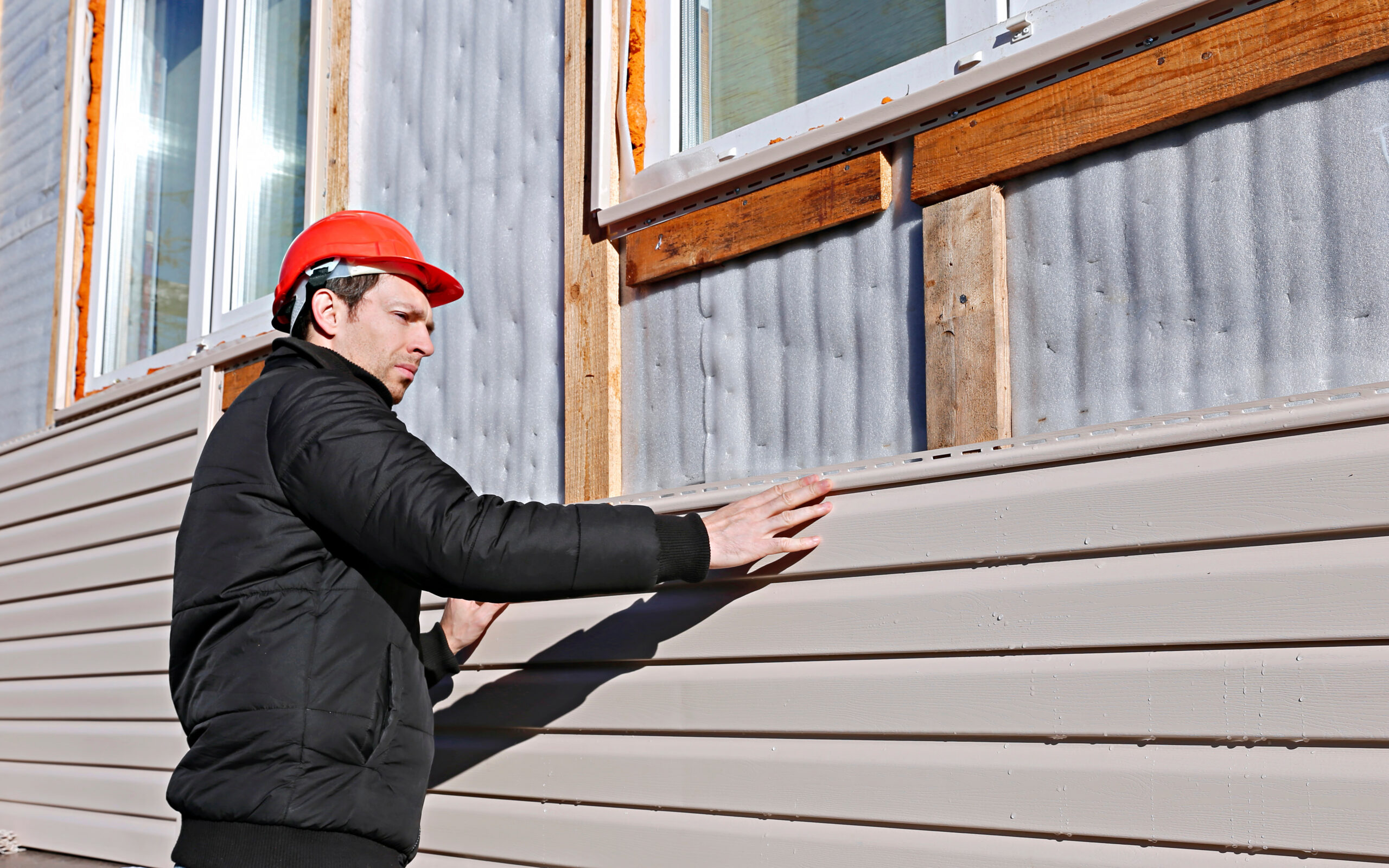
- Move closer and press gently on suspect areas between studs. A spongy feel, give under light pressure, or a crunching sound suggests hidden rot.
- Check the bottom course where splashback happens. Look for water stains, algae lines, or swollen edges.
- Probe any cracked or open laps with your awl. If it sinks in easily, mark the spot.
- Inspect inside and below outside corners. Loose corner posts on vinyl or gaps in wood trim can hide decay.
Windows and Doors
- Examine sills, brickmould, and the lower corners first. These areas take the most water.
- Press on the sill and side trim. Soft wood, peeling paint, or dark stains signal moisture.
- Look for failed caulk lines or gaps wider than a credit card.
- Check the interior under each window for discoloration or a musty smell. Interior clues often confirm exterior leaks.
Soffits, Fascia, and Gutters
- With a ladder, sight along the fascia for waves or sagging. Probe under the drip edge where ice dams form.
- Inspect soffit vents for staining or sagging panels.
- Ensure gutters are pitched to the downspouts and free of debris. Overflowing gutters soak the fascia and sheathing.
- Check for missing or improperly installed kickout flashing where the roof meets a wall. Water stains on siding below this joint indicate a problem.
Roofing From the Ground and Attic
- From the yard, look for lifted shingles, missing tabs, or ripples near eaves.
- Inside the attic, use a flashlight to find dark stains on the underside of the roof deck, wet insulation, or daylight at penetrations.
- Touch the sheathing near vents, chimneys, and valleys. Spongy wood or a musty odor means moisture has been present.
Decks, Porch Columns, and Trim
- Probe the base of porch posts and railings. End grain absorbs water first.
- Check horizontal trim boards, skirt boards, and belly bands for swelling and soft spots.
- Look under deck ledgers and stair stringers. Hidden rot here is a safety risk.
How Different Siding Materials Show Soft Spots
Vinyl Siding
Vinyl itself does not rot, but it can crack, warp, or blow loose. Water then reaches the sheathing behind it. Press on areas that look wavy or oil canned. If the wall gives under pressure, the sheathing may be compromised. Look near the bottom starter strip and inside corner posts for staining. Precision Home Exteriors LLC can remove a small section to verify sheathing condition and replace panels to match.
Wood and Cedar Siding
Wood shows rot with peeling paint, soft fibers, and cupped boards. Probe knots and lower edges. Cedar can hide decay behind a sound looking surface, so trust your probe more than your eyes. If your siding has wide gaps or failing caulk at butt joints, moisture likely traveled along the grain into the sheathing.
Fiber Cement Like Hardie Plank
Fiber cement resists rot but can wick moisture if clearances are wrong. Look for swelling at the bottom edges, cracking at nails, and paint that flakes in strips. Soft spots here are usually in the wood sheathing behind the board. Check for proper gap above decks, steps, and grade.
Engineered Wood Like LP SmartSide
Engineered wood is tough when installed with correct clearances and sealed cuts. Problems start at unsealed end cuts, damaged paint, and areas near the ground. Look for swelling, edge flaking, and soft areas around nail heads. A moisture meter helps here. Precision Home Exteriors LLC installs LP SmartSide following manufacturer specs to keep warranties intact.
Aluminum and Steel Siding
Metal siding can dent or oxidize, then allow water behind panels if seams loosen. Gently press on suspect sections. If it flexes easily or you hear crunching behind the panel, the sheathing may be damaged. Check for white chalky oxidation and loose J channels around windows.
Quick Tests to Confirm Rot vs Surface Wear
- Press test: Light thumb pressure should not leave a dent. If it does, mark the spot.
- Probe test: An awl should meet firm resistance. If it sinks with little effort, decay is likely.
- Peel test: Lift loose paint. If damp fibers come away with the paint, moisture is active.
- Smell test: A musty odor usually means ongoing moisture, not just an old stain.
- Moisture meter: Readings above the high teens suggest a leak path that needs correction.
- Color check: Dark streaks, rust marks from fasteners, or persistent algae lines indicate trapped water.
When to Call the Pros
Call a professional if you find soft spots larger than a handprint, any squishy sheathing, rot near roof edges, or repeated issues under windows. Also call if you see mold, carpenter ants or termites, or if the area keeps getting wet after rain. At that point you need an experienced eye to trace the leak path, open a small section safely, and design a proper repair. For trusted help from siding contractors Wisconsin homeowners recommend, contact Precision Home Exteriors LLC at (262) 894-1154 or (262) 388-1600. Hours are Monday through Friday 8 am to 4 pm and Saturday 9 am to 12 pm. Same day or next day site visits are often available during dry weather windows.
What to Expect From an Inspection With Precision Home Exteriors LLC
Our team takes a craftsmanship first approach with ethically sourced materials, honest, fair prices, and guaranteed satisfaction. We review your entire water management system, not just the visible soft spot. That means we check siding, trim, windows, doors, roof edges, soffits, fascia, and gutters to find the root cause, then show you clear options for repair and prevention.
- Exterior walkthrough with photos and moisture readings when needed
- Targeted test openings if necessary, sealed the same visit
- Written findings with clear scope, materials, and timelines
- Recommendations for flashing upgrades, housewrap, and ventilation
- Gutter and downspout solutions like screens and flip up downspouts
- Color and profile matching for vinyl, LP SmartSide, fiber cement, cedar, aluminum, or steel
- Roof tie in solutions for asphalt shingles, cedar shake, or EPDM low slope areas
As local siding contractors Wisconsin residents trust, we work across Waukesha and much of Southeast Wisconsin. Our Gallery shows completed exterior projects in the area. Visit phe.contractors to view examples and request an inspection.
Repair Options by Material and Location
Minor Wood Trim Rot
For small areas on sills or fascia, we remove soft fibers to sound wood, treat with a borate solution, repair with a wood epoxy system, prime all sides, and repaint with a high quality coating. If the piece is too far gone, we replace the board and seal all end cuts and joints.
Siding Panel Replacement
Localized damage can be fixed by removing panels, repairing the sheathing, adding housewrap with taped seams, then reinstalling matching siding. For vinyl, we zip out and replace individual courses. For LP SmartSide or Hardie Plank, we back prime cut edges and use proper fasteners. For cedar, we match profile and grain and use stainless nails.
Sheathing and Framing Remediation
If the probe sinks behind the cladding, we open the area, remove rotten sheathing, inspect the studs, and replace what is compromised. We add a drainage plane with housewrap or a rainscreen as appropriate, reinstall new cladding, and flash all transitions. This step stops the cycle rather than just covering the symptom.
Flashing and Water Management Upgrades
Many soft spots start with missing or weak flashing. We add kickout flashing at roof to wall connections, head flashing over windows and doors, and sill pans where needed. We also improve gutter setup with seamless aluminum gutters, screens to reduce clogs, and flip up downspouts for easy yard work. Precision Home Exteriors LLC fabricates aluminum wraps for long lasting trim protection.
Roofing Tie In Corrections and Ice Dam Defense
At eaves and low slope transitions, we install ice and water shield, improve ventilation, and correct shingle or EPDM tie ins. In Wisconsin, balanced attic airflow and good insulation help prevent ice dams that lead to soft fascia and soffit issues. Our team works with asphalt shingles, cedar shake, and EPDM for durable solutions.
Preventive Maintenance Calendar for Wisconsin Homeowners
- Early Spring: Clear gutters and downspouts, check for winter damage at eaves, probe soffits and fascia, and inspect the bottom row of siding for splashback stains.
- Late Spring: Re caulk windows and doors where gaps appear. Touch up paint on exposed wood. Confirm downspouts discharge at least five feet from the foundation.
- Mid Summer: Wash siding gently to remove dirt and algae. Avoid forcing water up behind laps. Inspect decks and porch posts for soft spots and re seal as needed.
- Early Fall: Clean gutters again and install screens if clogs repeat. Check kickout flashing performance during the first autumn rain.
- Late Fall: Inspect attic insulation and ventilation. Add heat cable only if recommended and installed to code. Seal small gaps in trim before freeze sets in.
- Winter: After heavy snow, look outside for ice forming where a roof meets a wall. Inside, watch for new stains or musty smells and schedule an assessment during a thaw.
Common Myths About Soft Spots and Rot
- Myth: Vinyl or fiber cement means no rot. Fact: The cladding may resist decay, but the wood behind it can still rot if water gets in.
- Myth: Paint alone fixes rot. Fact: Paint seals surfaces, but it does not dry out or rebuild decayed wood.
- Myth: If it dries out, the problem is gone. Fact: Dried rot weakens structure. You must remove decay and fix the leak path.
- Myth: Caulk every seam. Fact: Over caulking can trap water. Smart flashing and proper laps are better than relying on caulk alone.
- Myth: A soft spot is only cosmetic. Fact: Soft spots often point to hidden sheathing or framing damage that gets worse over time.
Why Waukesha Homeowners Choose Precision Home Exteriors LLC
We live and work here, so we build for Wisconsin weather. Our crews focus on careful installation details that stop leaks before they start. We source materials ethically, stand by honest, fair prices, and back our work with guaranteed satisfaction. Our Gallery at phe.contractors features multiple exterior projects in Waukesha, including asphalt shingle replacements and EPDM low slope solutions. Whether you need targeted repairs or a full replacement, our team makes the process clear and stress free.
FAQs
How soft is too soft?
If light thumb pressure leaves a dent or your awl penetrates more than an eighth of an inch in trim or sheathing, it is too soft. Mark the spot and schedule an inspection. The larger the area, the more likely the issue extends behind the surface.
Can I paint over a suspicious area to seal it?
Paint is a finish, not a fix. If wood is damp or decayed, paint will peel and trap moisture. Dry the area, remove rot, repair or replace damaged pieces, then prime and paint. A skilled contractor can confirm the extent before you spend time on paint.
How fast can rot spread?
Spread depends on moisture levels and temperature. In warm wet weather, decay can accelerate. In cold months it slows but does not undo itself. Once you find a soft spot, address it soon to limit structural damage.
Do I need to replace all my siding if I find one soft spot?
Not always. Many cases are localized and can be repaired by replacing a few panels and the affected sheathing, then correcting the leak path. If problems repeat across walls, full replacement may be the best long term value. Precision Home Exteriors LLC will show you both options.
How long does an inspection take and what does it cost?
Most exterior inspections take about 60 to 90 minutes, depending on home size and access. We offer honest, fair pricing and explain any fees up front before work begins. Call our office to discuss your situation and schedule a visit during our business hours.
Ready to Schedule Your Inspection
If you have found a soft spot or you just want peace of mind before the next storm season, call Precision Home Exteriors LLC at (262) 894-1154 or (262) 388-1600. Our hours are Monday through Friday 8 am to 4 pm and Saturday 9 am to 12 pm. You can also visit phe.contractors to view our Gallery and request service. As dedicated siding contractors Wisconsin homeowners rely on, we are here to protect your home with quality workmanship, ethically sourced materials, and a clear plan to stop rot at the source.
