
Why How Damage Is Classified Matters in Waukesha County
When a storm hits, the cause of roof damage often decides whether insurance covers a minor repair or a full replacement. In Waukesha County, storms can bring both hail and high winds in the same system, which makes classification important. Insurers look for specific signs to label damage as hail or wind, and the standards shift depending on whether your roof is asphalt shingles or cedar shakes. If you are researching hail damage roof Waukesha homeowners face, this guide explains how insurers evaluate each roofing type, what evidence matters most, and how you can protect your claim from day one.
Hail damage roof Waukesha: learn how insurers classify hail vs. wind on asphalt vs. cedar roofs in Waukesha County to protect your claim. Read our guide now.
Hail vs. Wind 101 in Local Storms
How Hail Forms and Damages Roofs
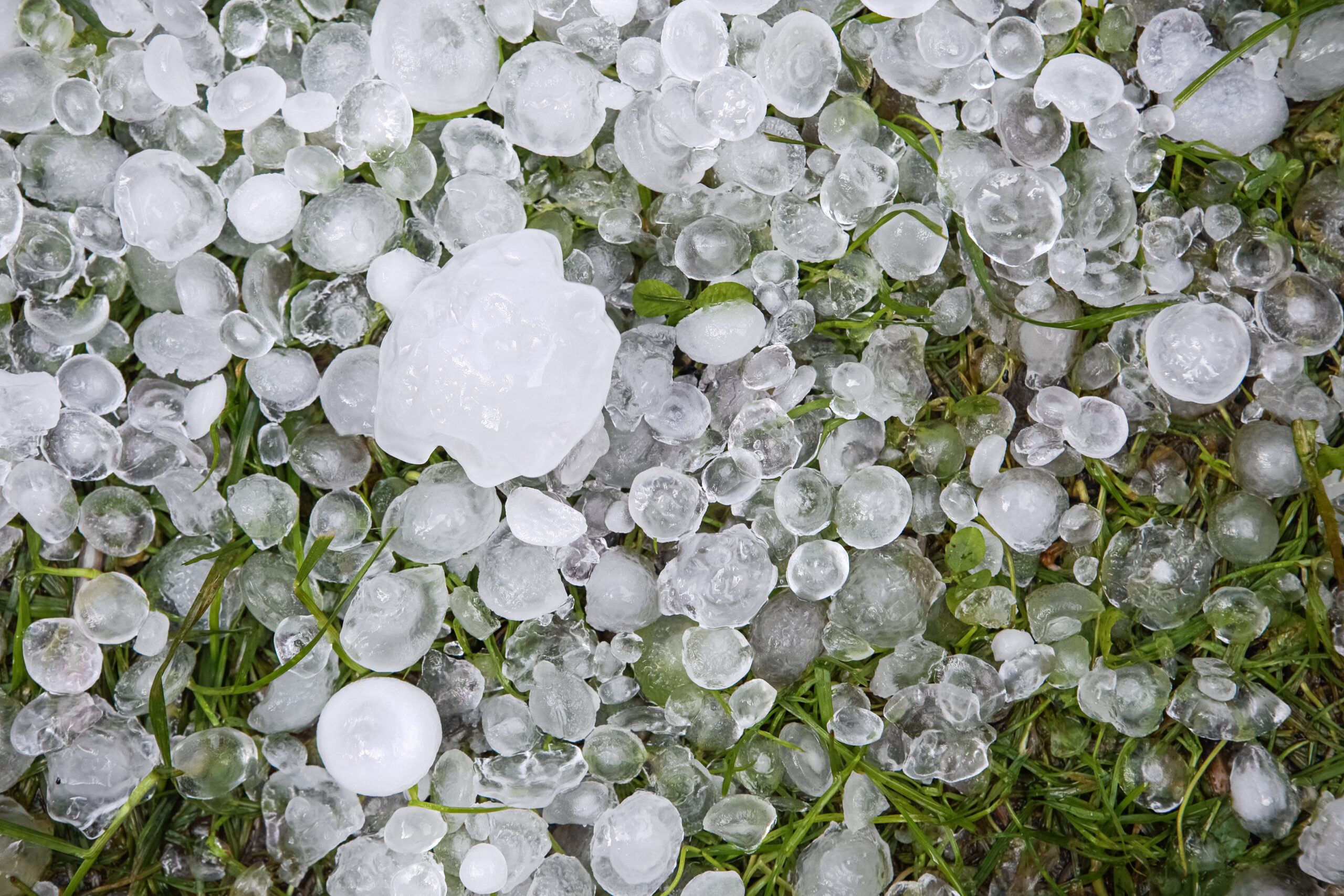
Hailstones develop inside strong thunderstorms where updrafts carry raindrops into freezing levels. As hail grows and falls, it can strike a roof with enough force to bruise, fracture, or break the surface. On asphalt shingles, hail often crushes the protective granules and leaves a soft bruise. On cedar, hail can create fresh splits and crush the wood fibers. The size, density, and speed of the hailstone all affect the damage pattern. Even hail smaller than an inch can cause harm if it is wind-driven or strikes older, brittle materials.
How Wind Damages Roofs
Wind forces can lift, crease, or tear shingles and shakes. On asphalt, a strong gust may break the adhesive bond and bend a shingle back, leaving a horizontal crease near the butt edge. Over time, creased shingles lose their seal and become prone to leaks. On cedar, wind can lift and displace shakes, pull fasteners, or cause edge splitting. Wind damage usually shows directional patterns that align with dominant gusts.
Mixed Storms and Overlapping Signs
Many Waukesha County storms bring both hail and wind. This can create overlapping indicators across the same slopes. Insurers will try to separate the causes because coverage, scope of repairs, and replacement decisions can differ by peril. You can support a fair classification by documenting different signs on the same day and by slope orientation, and by noting dents on soft metals that tie the event to hail.
How Insurers Classify Hail Damage on Asphalt Shingles
What Hail Looks Like on Asphalt
Insurers train adjusters to identify indicators of hail on asphalt shingles, including the following common signs:
- Circular spots of crushed granules that expose dark substrate or fiberglass mat
- Soft, spongy bruises that give under gentle finger pressure
- Fine radial fractures in the mat visible after lifting granules
- Scuffed or dented soft metals nearby, such as vents and downspouts, that confirm hail impact
- No defined directionality, with random dispersion across the slope
Hail impact can shorten a shingle’s life by removing UV-protective granules and damaging the mat. Even if leaks are not immediate, insurers may consider replacement when a test square shows enough functional hits.
What Adjusters Measure on Asphalt Roofs
Most carriers use a standardized test square, often 10 feet by 10 feet, on each slope. The adjuster counts hail hits that meet criteria for functional damage rather than cosmetic marks. Variables that influence decisions include:
- The number of qualifying hail strikes per test square
- Hail size estimates from field marks and storm reports
- Roof age, shingle type, and brittleness
- Slope orientation and shielding by trees or structures
- Collateral evidence on soft metals, window screens, and decks
Some insurers also consider whether the damage is repairable or if spot repairs would create a patchwork that reduces performance or value. For hail damage roof Waukesha claims, local context matters because tree cover and wind direction can change impact patterns from one block to the next.
Common Reasons for Denial and How to Respond
Denials often cite wear and tear, blistering, manufacturing defects, or cosmetic-only damage. To respond effectively, homeowners can:
- Provide clear, date-stamped photos that show soft-metal dents and shingle bruising
- Request a reinspection if initial counts appear low or slopes were skipped
- Ask the adjuster to document why damage was classified as non-functional
- Offer an independent inspection report with test-square counts
- Reference storm reports that match the loss date and location
If you believe the findings missed valid hail damage, a second opinion is often worth the effort, especially on older asphalt roofs where impacts can blend into normal aging without close inspection.
How Insurers Classify Wind Damage on Asphalt Shingles
Creases, Uplift, and Seal Failures
Wind damage on asphalt typically shows as a horizontal crease parallel to the shingle butt edge. The crease may expose broken granules and cracked mat fibers. Adjusters also test adhesion by gently lifting tabs to see if the self-seal has failed. Wind can remove entire tabs, leaving obvious missing shingle sections. Directional debris patterns and lines of missing tabs along ridges often confirm wind as the primary cause.
Differentiating Wind Damage from Installation Issues
Insurers may deny wind claims if they believe the problem stems from poor installation. Common arguments include high nailing, insufficient fasteners, or cold-weather installation that prevented proper sealing. To counter this, your documentation should show:
- Widespread creasing or tab loss consistent with wind direction
- Tabs torn at the sealant strip rather than nails pulled through
- Other wind markers on the property, such as damaged fences or fallen branches
- Manufacturer instructions that match the installed nailing pattern, if available
When the pattern is consistent with storm damage, most carriers will separate installation issues from new wind harm and address the storm-related portion.
Repairability and the Brittle Test
Some carriers use a brittle-test concept, where lifting shingles for repairs causes cracking. If the roof is too brittle to repair without breaking adjacent shingles, full-slope replacement may be warranted. Documentation should include before-and-after photos of any test lifts and a written explanation of why repair would fail.
How Insurers Classify Hail and Wind Damage on Cedar Roofs
Hail on Cedar Shakes or Shingles
Hail on cedar can cause fresh, sharp-edged splits and crush marks in the wood. Adjusters look for indicators that separate storm splits from natural defects. Hail-related splits usually have bright, fresh wood color inside the break, show impact points near the center or butt of the shake, and align with recent storm dates. By contrast, natural or growth-related splits often follow the grain, have weathered edges, and lack clear impact points. Dents in nearby metals help confirm hail timing.
Wind on Cedar Shakes or Shingles
Wind can lift and dislodge cedar shakes, pull fasteners through softened wood, and break thin edges. Patterns often show in rows on the windward slopes, near ridges and valleys. Loose or fluttering shakes after a storm suggest adhesive or fastening failure driven by wind forces. Insurers will look for consistent directionality and related exterior damage such as broken branches on the same side of the property.
Unique Insurer Considerations for Cedar
Cedar roofs add complexity to claims. Insurers weigh repairability alongside safety, code compliance, and material availability. Matching issues are common because new shakes may differ in thickness, width, and weathering from existing ones. Carriers may require documentation of code requirements or fire-rating limitations if materials are upgraded. For hail damage roof Waukesha claims involving cedar, thorough photos of fresh splits, spatter marks, and soft-metal dents usually carry weight with adjusters.
Waukesha County Factors That Influence Claims
Microclimates and Tree Cover
Waukesha County neighborhoods vary in elevation, lake proximity, and tree density. These factors alter hail and wind patterns across short distances. An address near tree lines may show fewer roof impacts but more dents at upper-story gutters or ridge vents. Understanding how shielding affects each slope helps support slope-by-slope decisions rather than an all-or-nothing call.
Permits, Codes, and Inspections
Local jurisdictions may require permits for reroofing and specific ventilation or underlayment upgrades. If your policy includes ordinance or law coverage, code-required upgrades could be insurable. Keep a record of code citations and inspection notes so supplements can be submitted efficiently. When filing a hail damage roof Waukesha claim, ask your contractor to identify any local code items that may apply, such as ice barrier in eave zones or ventilation improvements.
Why a Local Team Helps
A Waukesha-based roofing team will be familiar with common shingle brands in the area, local supplier lead times, and typical hail paths. That local knowledge can help you organize documentation that speaks the same language as insurers. If you need help, our Waukesha roofing team can assist with inspections, photos, and reports tailored to hail damage roof Waukesha claims.
Evidence Insurers Rely On
Test Squares and Collateral Hits
Adjusters often mark out test squares on each slope and count qualifying hits. They also check soft metals for dents, including ridge caps, vents, gutters, and flashing. Screens, AC fins, and mailbox dents can corroborate hail size and direction. Keep a record of where each photo was taken and which slope it represents.
Storm Reports and Documentation
Weather data such as radar-based hail swaths and local storm reports help tie damage to the loss date. Use date-stamped photos of bruised shingles, fresh cedar splits, and metal dents. If a leak occurs, photograph ceiling stains and attic wet spots right away. Good documentation can shorten the claim timeline and reduce the chance of disputes.
Interior and Attic Signs
Hail and wind can penetrate the roof system and cause hidden moisture. Inspect the attic after a storm with a flashlight. Look for damp sheathing, water trails, and wet insulation. Even if the roof looks intact, interior signs can show functional damage that warrants coverage.
Policy Basics That Affect Your Outcome
ACV vs. RCV and Deductibles
Many policies pay either actual cash value or replacement cost value. ACV pays the depreciated value, while RCV pays full replacement cost once work is completed. Know your deductible type. Some policies use a wind or hail deductible that differs from your standard deductible. When planning a hail damage roof Waukesha claim, ask your carrier to confirm which deductible applies.
Cosmetic Exclusions and Matching
Some policies exclude cosmetic-only damage, especially on metal roofs. On asphalt and cedar, carriers still look for functional damage that reduces performance. Matching can be a gray area. If partial repairs would create a visible mismatch on a continuous slope, you may need a full-slope replacement for a uniform result. Documentation should show why repairs would fail to restore function or appearance in a reasonable way.
Ordinance or Law Coverage and Time Limits
Ordinance or law coverage can pay for code upgrades that are required and related to a covered loss. Also watch the time limits in your policy. Many carriers require you to report a claim promptly and complete repairs within a set window to collect depreciation under RCV. Mark those dates on your calendar right away.
A Step-by-Step Plan for Your Claim
1. Safety and Temporary Repairs
After a storm, take photos before moving anything. Then use tarps or temporary patches to prevent new water entry. Keep receipts for all emergency work because they may be reimbursable.
2. Independent Inspection
Schedule a qualified roof inspection. Ask for slope-by-slope test squares, photos of soft-metal dents, and any attic findings. For cedar, request close-ups that show fiber crush and fresh split color. If you are searching for help with hail damage roof Waukesha claims, a local inspector who knows our weather patterns can save time.
3. File the Claim with Organized Evidence
Submit your photos, the inspection report, and your loss date. Provide any storm reports you have. Be clear about which slopes are damaged and which materials are affected.
4. Meet the Adjuster on Site
Attend the inspection with your contractor if possible. Walk each slope and discuss counts, collateral hits, and repairability. Note any differences and request that they are documented.
5. Review the Scope and Ask Questions
When you receive the estimate, confirm the quantities, line items, and code-related entries. If items are missing or priced too low, ask your contractor to submit a supplement with photos and code references.
6. Choose Materials and Schedule Work
Select materials that meet your goals for durability and curb appeal. If impact-resistant shingles can lower future damage risk, consider upgrading. Confirm lead times and expected start dates with your contractor.
7. Close the Claim and Keep Records
Save final invoices, permits, and inspection sign-offs. Submit completion documents to release any withheld depreciation under an RCV policy. Keep a digital file for future reference.
Prevention and Maintenance Tips
Asphalt Roof Tips
Consider Class 4 impact-resistant shingles for better hail performance. Maintain proper attic ventilation to reduce heat aging and brittleness. Keep trees trimmed to reduce branch abrasion and to prevent wind-driven cracking. Inspect seals around flashings and vents before storm season.
Cedar Roof Tips
Schedule routine maintenance to replace cracked or loose shakes before a storm exploits weak points. Ensure proper fasteners and underlayment. Keep the roof clean of debris that can trap moisture. Ask about treatments that help slow weathering. Document the roof’s condition each spring with photos, which can help prove new storm damage later.
Frequently Asked Questions About Hail Damage Roof Waukesha
How do I know if my roof has hail damage or just wear and tear?
Look for circular impact marks with granule loss on asphalt and fresh splits on cedar, plus dents in soft metals on the same elevation. Random distribution and recent storm timing point to hail. Uniform granule loss and long-term cracking often signal aging rather than impact.
Can small hail still cause damage?
Yes. Smaller hail can harm aged or brittle shingles, and wind-driven small hail can create functional bruises. Cedar can also suffer crushed fibers and small fresh splits even when hail is under one inch. Documentation is key.
Will my policy cover a full roof replacement?
It depends on the extent of functional damage, your policy type, and repairability. If test squares show enough qualifying hits or wind damage is widespread, carriers may approve full slopes or the entire roof. ACV vs. RCV and matching considerations also factor in.
What if the adjuster says the damage is cosmetic?
Ask what standard was used to make that decision. Provide photos of bruises, mat fractures, or fresh cedar splits that show functional harm. If needed, request a reinspection and bring a qualified contractor to explain why repairs will not restore performance.
How long do I have to file a claim?
Policies vary, but sooner is better. Many carriers require prompt notice after a storm. Filing quickly also preserves evidence such as clean spatter marks and fresh splits. For hail damage roof Waukesha events, aim to document your roof within days of the storm.
How Our Local Roofing Team Can Help
Local Expertise Tailored to Waukesha County
Our Waukesha roofing team understands how hail and wind move across the county, which slopes are most exposed, and which materials hold up best on local homes. When you contact us for a hail damage roof Waukesha inspection, we bring a clear, insurer-friendly process that includes test squares, soft-metal checks, attic reviews, and photo sets that tell the full story.
Insurance-Ready Reports and Honest Guidance
We prepare reports that explain whether hail or wind caused the damage, why it is functional, and how repairability affects scope. If your roof is repairable, we will say so and explain the steps. If replacement makes more sense, our estimate will include code items when applicable. Our goal is to make your hail damage roof Waukesha claim as smooth as possible.
Quality Materials and Craftsmanship
We install reputable asphalt shingles and cedar materials backed by strong warranties. If you want impact-resistant options to reduce future risk, we can explain the tradeoffs and help you choose. From tear-off to final inspection, we focus on clean job sites, careful flashing details, and proper ventilation so your roof performs in the next storm.
Next Steps
If you suspect hail or wind damage, schedule a roof check now. Quick documentation can make the difference in your claim. Reach out to our Waukesha roofing team, and let us help you navigate the process for your hail damage roof Waukesha needs.
Key Takeaways
- Insurers classify roof damage by cause, and the standards differ for asphalt shingles and cedar roofs.
- Hail on asphalt shows bruising and granule loss, while wind shows creasing and uplift. Cedar hail damage shows fresh splits and crushed fibers; wind may dislodge or split shakes.
- Test squares, soft-metal dents, and clear, date-stamped photos are vital evidence for hail damage roof Waukesha claims.
- Policy details like ACV vs. RCV, cosmetic exclusions, and ordinance or law coverage affect your outcome.
- A local, documented inspection supports fair classification and a smoother claim process.
With the right knowledge and documentation, you can protect your home and your claim. Whether your roof is asphalt or cedar, understanding how insurers classify hail and wind damage in Waukesha County helps you take action with confidence.
