
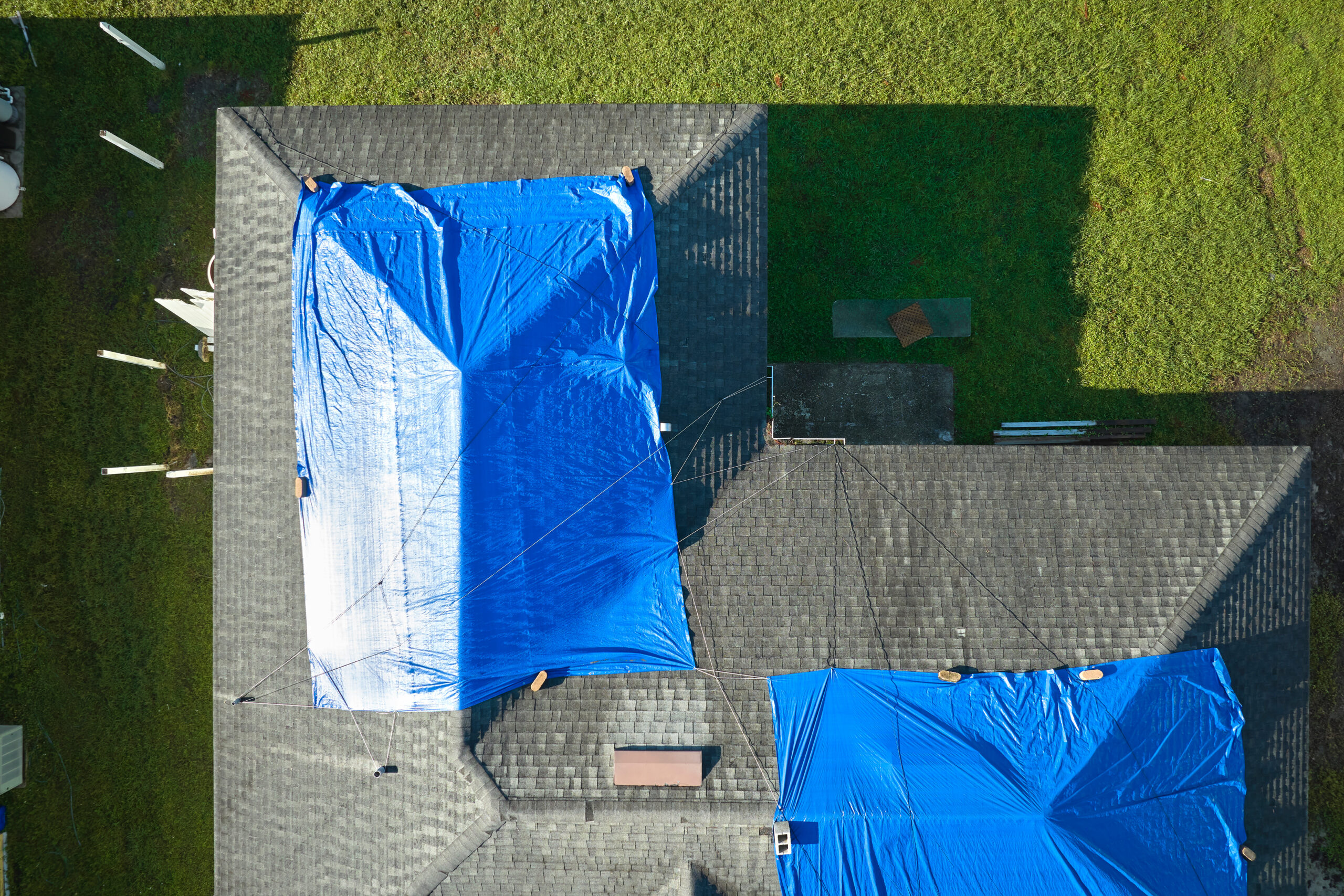
Roof leaking after storm? Start here
Roof leaking after storm? Learn how to tell if water is coming from the roof or plumbing, spot hidden signs, and prevent damage. Get expert tips so you can diagnose and fix the problem today. If you are in Waukesha or anywhere in Southeast Wisconsin, Precision Home Exteriors LLC is ready to help with honest guidance and lasting repairs.
When water shows up on your ceiling, it is easy to assume the roof is to blame. Many times that is true. Other times a plumbing line, HVAC condensate, or even a window leak is the real source. Knowing the difference saves time and money, and it keeps damage from spreading. Use this guide to tell the difference, protect your home, and decide when to call Precision Home Exteriors LLC.
Quick checks to tell roof leak vs plumbing or something else
- Think about timing. If the ceiling spot only appears during or right after rain, you likely have a roof leaking after storm. If the drip happens on sunny days too, check plumbing or HVAC.
- Turn off water to the house for 30 minutes. If dripping slows or stops, a supply line could be leaking. If it keeps dripping and it is raining or windy, suspect the roof.
- Check the water meter leak indicator. Many meters have a small triangle that spins when water flows. If it moves while no fixtures run, look for a plumbing leak.
- Look up in the attic during rain with a flashlight. Trace wet wood uphill. Roof leaks often show as dark tracks on the underside of sheathing or around nails and fasteners.
- Inspect around bathrooms, kitchens, and laundry rooms. Water near these rooms can be a plumbing line, a tub overflow, or a failed wax ring under a toilet.
- Check the HVAC. A clogged condensate drain can overflow and soak ceilings. Also look for disconnected bath fan ducts that dump moist air into the attic.
- Use a simple dye test on toilets if a ceiling below a bathroom is wet. Add food coloring to the tank. If colored water shows up on the floor or ceiling below, you found the source.
Clear signs the leak is from the roof
- The stain appears right after heavy rain or wind. This is the classic roof leaking after storm scenario.
- Water stains form in lines that trace downhill along rafters or trusses from an exterior wall, chimney, skylight, or roof penetration.
- You find damp insulation in the attic near a roof valley, ridge, or vent pipe.
- Shingles are missing, lifted, or creased after wind. You may also see fresh granules in the gutters and at downspout ends.
- Ice dams formed along the eaves in winter. Meltwater can back up under shingles and leak into the attic hours or days later.
- Flashing looks loose, cracked, or rusty around chimneys, skylights, sidewalls, and roof edges.
- On low-slope roofs, you find ponding water, cracked EPDM seams, or failed edges. Precision Home Exteriors LLC repairs and replaces EPDM for these cases.
- You notice daylight around vent boots or roof vents when looking from the attic.
Clear signs it is plumbing, HVAC, or something else
- Leakage continues in dry weather. Roof leaks almost always line up with rain or snow melt.
- Drips appear directly under bathrooms or the kitchen. Suspect supply lines, drains, or appliance hoses.
- A musty odor builds up even in dry weather. Hidden plumbing leaks often keep areas damp.
- There is a wet ring around ceiling can lights or vents near a bathroom. Bath fan ducts that end in the attic can condense moisture and drip.
- HVAC closet or attic area has a wet pan or algae in the condensate line. That suggests a drainage issue, not a roof problem.
- Water shows near windows or siding after wind-driven rain. That can be a siding, flashing, or window seal issue. Precision Home Exteriors LLC can correct siding and flashing defects that mimic roof leaks.
Attic inspection the right way
Your attic tells the truth about a roof leaking after storm. Here is how to check safely and find the path of water.
- Safety first. Use stable footing, wear gloves and a dust mask, and bring a bright flashlight. Step only on joists or planks.
- Go up during or right after rain. Dry wood can hide tracks. Damp wood shows dark streaks or shines under light.
- Start at the ceiling stain and trace uphill. Water travels along wood. Follow rafters to the highest wet point. That is often near a nail cluster, flashing, or a roof penetration like a vent pipe.
- Check the underside of the roof sheathing. Look for dark lines, swollen wood, or tiny water beads on nail tips. Beads on nails can be condensation too, which points to poor ventilation.
- Confirm bath fan ducting. Each bath fan should vent outside through a roof or wall hood, not into the attic. If you see a flex duct ending loose in the attic, you have a moisture problem regardless of roof condition.
- Inspect insulation. Wet insulation clumps and loses fluffy texture. Squeeze a small piece with gloved fingers. If water squeezes out, note the location and keep tracing uphill.
- Look at pipe boots and vents from below. Daylight around a boot or vent is a sign of a bad seal.
Exterior checks after a storm in Waukesha
Southeast Wisconsin storms bring wind, hail, heavy rain, and winter ice. A quick walk-around can reveal damage that explains a roof leaking after storm.
- Shingles. Look for missing tabs, lifted edges, creases, or exposed nails. Scan ridge caps and hips closely.
- Valleys and flashing. Check for gaps, rust, or debris. Leaves and shingle grit trap water in valleys.
- Chimneys. Look for cracked counter flashing, loose mortar, and missing caps. Large chimneys need a cricket to split water flow.
- Skylights. Inspect the frame and flashing for cracks or loose seals. Older skylights can fog, then leak at the curb.
- Gutters and downspouts. Sagging gutters, clogged outlets, or crushed downspouts push water behind fascia or into soffits. Precision Home Exteriors LLC installs seamless aluminum gutters, screens, and flip-up downspouts to move water away fast.
- Siding and trim. Wind-driven rain can find gaps at siding joints or along window trim. Aluminum wraps and new flashing can fix these issues.
- Low-slope areas. On porch roofs or additions with EPDM, look for bubbles, open seams, and ponding marks.
Asphalt shingle roofs
Asphalt shingles are common in Waukesha. Hail can bruise the surface and knock off granules. Wind can lift shingles and break seal strips. Leaks often start at valleys or where flashing meets sidewalls. If you see smooth bald spots, creases, or missing shingles after a storm, call Precision Home Exteriors LLC for an inspection.
Cedar shake roofs
Cedar looks beautiful but needs care. Splits, cupping, and loose shakes can widen water paths during heavy rain. Leaks tend to start at flashing, hips, and ridges. Precision Home Exteriors LLC can assess whether targeted repairs or a shake-to-asphalt conversion is the best value.
Low-slope or flat roofs with EPDM
EPDM membranes perform well when seams, edges, and penetrations are tight. Storm debris can puncture the membrane. UV and age can crack lap seams. Ponding water stresses seams and can seep through tiny openings. If you spot bubbles or seams that look open, schedule a repair before the next storm.
What to do right now to limit damage
- Protect people and power. If water is near light fixtures or outlets, turn off power to that circuit.
- Contain the water. Put a bucket under the drip. Lay towels or a tarp to protect floors and furniture.
- Release a ceiling bubble safely. If a ceiling bulges with water, wear eye protection, put a bucket under it, and poke a small hole to drain. This can prevent a sudden ceiling failure.
- Document everything. Take clear photos and video of stains, the attic, and exterior damage. Note the date and time.
- Do not climb a steep or wet roof. Wait for a professional. Temporary tarps can help, but they are risky to install. Precision Home Exteriors LLC can secure a roof safely.
- Call Precision Home Exteriors LLC at (262) 894-1154 or (262) 388-1600. We offer prompt storm checks during business hours. Our hours are Mon to Fri 8 am to 4 pm, Sat 9 am to 12 pm.
When to call a pro in Southeast Wisconsin
- The leak only happens during storms, and you cannot find the source in the attic.
- You see missing shingles, loose flashing, or damaged EPDM.
- There is a leak near a chimney, skylight, or roof-to-wall area.
- Ice dams were present. You likely need both roof repairs and attic ventilation or insulation upgrades.
- Your roof is 15 years old or more, or you have had more than one leak in different spots.
Precision Home Exteriors LLC focuses on craftsmanship, ethically sourced materials, honest and fair prices, and guaranteed satisfaction. Our team inspects your roof, siding, and gutters as a full system so you get the right fix the first time.
Insurance and storm claims tips
- Document damage right away. Take photos of interior stains, attic tracks, and exterior issues like missing shingles or dented gutters.
- Stop further damage. Set up buckets, cover items, and request emergency tarping if needed. Keep receipts for any temporary fixes.
- File a claim quickly if you suspect hail or wind damage. Note the date and time of the storm.
- Get a written inspection and estimate from Precision Home Exteriors LLC. We speak the same language as adjusters and can point out roof, siding, window, and gutter issues in one visit.
- Meet the adjuster. Having a contractor present can help make sure all damage is considered, including low-slope areas and hidden flashing problems.
Prevent leaks before the next storm
- Schedule routine roof inspections. At least once a year and after major storms. Precision Home Exteriors LLC checks shingles, flashing, vents, and penetrations.
- Clean and upgrade gutters. Clear debris in spring and fall. Consider seamless aluminum gutters with screens and flip-up downspouts to direct water away from the foundation.
- Improve attic ventilation and insulation. Add baffles, check ridge and soffit vents, and seal air leaks. This reduces condensation and ice dams.
- Upgrade flashing and seals. Replace dried out pipe boots, reseal skylight curbs, and add a chimney cricket if needed.
- Plan for ice dam defense. Ice and water shield at eaves and valleys, proper drip edge, and good attic airflow go a long way.
- Replace aging components on time. Old skylights, brittle shingles, and cracked EPDM seams are common leak starters.
- Check siding and trim. Caulk joints, replace rotted trim, and install proper kick-out flashing where roofs meet walls. Precision Home Exteriors LLC handles siding materials including LP SmartSide, vinyl, fiber cement, aluminum, steel, and cedar.
- Inspect windows and doors. Failed seals can let in wind-driven rain. Our team installs vinyl, wood, and fiberglass units with proper flashing.
- Mind the hardscape. Ensure driveways, patios, and sidewalks slope away from the home. Our concrete team can correct drainage grades.
Why homeowners choose Precision Home Exteriors LLC
We are a local residential exterior contractor serving Waukesha and communities across Southeast Wisconsin. Our crews install and service asphalt shingles, cedar shakes, and EPDM roofing. We also handle siding, windows and doors, soffits, fascia, trim, and seamless gutters. Precision Home Exteriors LLC brings a clear promise to every job. Craftsmanship you can see, ethically sourced materials, honest and fair prices, and guaranteed satisfaction. Explore our project gallery at phe.contractors to see recent work. When your roof is leaking after storm, call (262) 894-1154 or (262) 388-1600. Our office hours are Mon to Fri 8 am to 4 pm and Sat 9 am to 12 pm.
Local perspective: Waukesha weather and roof leaks
Our area sees heavy spring rains, summer storms with wind and hail, and winter freeze-thaw cycles. These stress roofs in different ways. Wind lifts shingles and opens seams. Hail can bruise shingles and dent aluminum gutters. Snow and ice dams push water under shingles. Quick temperature swings drive expansion and contraction at flashing. If you notice a new stain after a storm, do not wait. Small openings become bigger leaks fast. Precision Home Exteriors LLC understands these local patterns and knows how to repair and prevent them.
FAQs about roof leaks after storms
Can a leak show up days after the storm ends?
Yes. Water can travel along wood for a long distance before it drips. Ice dams can also melt slowly. You might see a stain one or two days after the storm. Keep an eye on the area during the next rain and schedule an inspection.
Is it safe to poke a hole in a bulging ceiling?
If a wet ceiling is bulging, a controlled release can prevent a sudden collapse. Put a bucket underneath, wear eye protection, and make a small hole at the lowest point. Then call a pro to address the source and repair the drywall safely.
Should I wait for the roof to dry before calling?
No. The sooner you call, the easier it is to find active leaks and limit damage. Photos during the wet period also help with insurance.
Do gutters cause roof leaks?
Clogged or undersized gutters can overflow and push water behind fascia or into soffits. That water can show up as interior leaks. Keeping gutters clean and sized correctly is key. Precision Home Exteriors LLC installs seamless gutters with screens and flip-up downspouts to move water away fast.
My ceiling stain is brown, is that from the roof?
Brown stains come from wood tannins and dust mixed with water. Roof leaks and plumbing leaks can both cause them. Use timing and location clues to narrow the source, or let a pro inspect.
What if I have a low-slope addition tied into a steeper main roof?
Transitions are common leak spots. Water can back up at the change in pitch. Proper step flashing, underlayment, and a well-sealed membrane at the tie-in are crucial. We repair these details often across Waukesha homes.
Your next steps
If you suspect a roof leaking after storm, start with the quick checks above. Protect your space, document what you see, and call Precision Home Exteriors LLC for a thorough evaluation. We will track the source, explain your options, and fix the problem with durable materials and careful workmanship. Contact us at (262) 894-1154 or (262) 388-1600, or visit phe.contractors to request a roof, siding, gutter, or window inspection. We are here to help you protect your home with skill, care, and fair pricing.
