Tin roofing contractors are getting more calls from Wisconsin homeowners who want to know if a metal roof is a smart upgrade in our climate. This guide explains costs, durability, and return on investment for Midwest homes, so you can compare options, see the pros and cons, and decide with confidence. If you are in or near Waukesha, WI, the team at Precision Home Exteriors LLC is here to help you make the right choice for your home and budget.
What People Mean by Tin Roofing Today
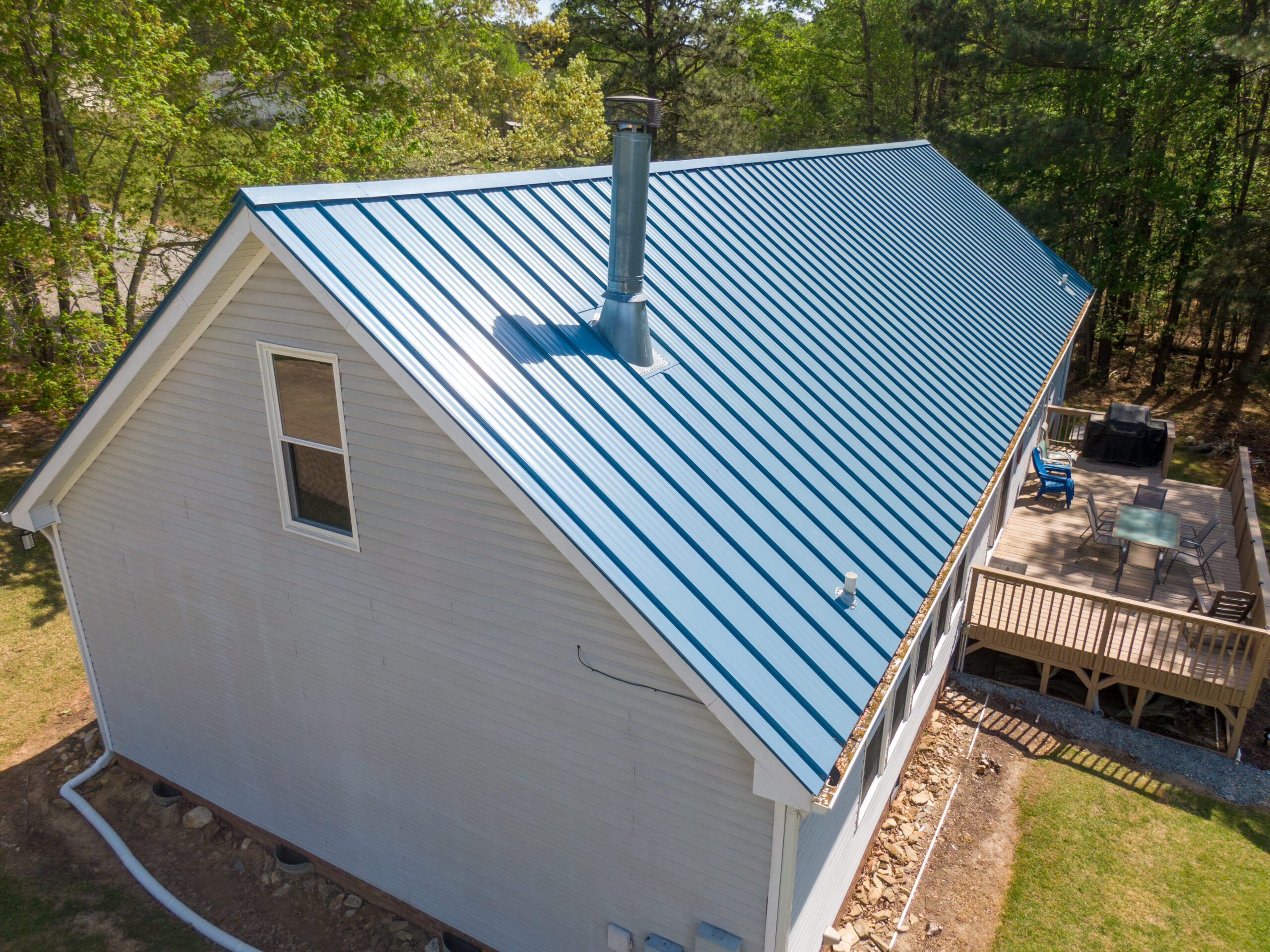
When people say tin roofing, they usually mean modern metal roofing. True tin roofs are not common anymore. Most residential metal systems today are steel or aluminum, with protective coatings that resist corrosion and fading. The most popular premium option for Midwest homes is standing seam steel with a high quality paint finish. You will also see metal shingles that mimic the look of wood shake or slate.
As a residential exterior contractor, Precision Home Exteriors LLC evaluates roofs every day across Southeast Wisconsin. We install asphalt shingles, cedar shake, and EPDM for low-slope roofs, and we can help you compare metal bids from local tin roofing contractors if a steel or aluminum system is what you want. Our priority is craftsmanship, ethically sourced materials, honest, fair prices, and guaranteed satisfaction, no matter which roofing material you choose.
Does Metal Roofing Make Sense in Waukesha and Southeast Wisconsin?
The Midwest climate factor
Our area sees freeze-thaw cycles, heavy snow, gusty winds off the lakes, spring hail, and hot, sunny spells in July. Roofs work hard here. Any roofing material needs to handle ice dams, wind driven rain, and rapid temperature changes without leaking or failing. That is where metal roofing can shine, because it sheds snow quickly, resists wind uplift when correctly fastened, and uses interlocking panels that keep water out.
How metal performs on local homes
With the right gauge steel, a premium paint finish, proper underlayment, and skilled flashing, a metal roof can last 40 to 70 years. It is light, so it puts less stress on rafters during snow events. And it is non-combustible, which adds peace of mind. However, success comes down to details. Panels must be sized and fastened for thermal expansion. Ice and water shield needs to be placed in the right zones. Ridge and soffit ventilation must be balanced. That is why choosing experienced tin roofing contractors matters so much, and why many homeowners bring Precision Home Exteriors LLC in to review bids and scope before work starts.
Pros and Cons of Metal Roofs Versus Asphalt Shingles
Advantages of metal roofing
- Long lifespan: 40 to 70 years for high quality standing seam steel, often double or more the lifespan of standard architectural shingles.
- Snow shedding: Smooth panels encourage snow to slide off, reducing ice dam risk when paired with correct ventilation and air sealing.
- Wind and hail resistance: Properly installed systems can meet high wind ratings, and many metal products carry Class 4 impact ratings.
- Fire resistance: Metal is non-combustible and can help protect against stray embers from nearby fires.
- Energy performance: Reflective finishes can lower summer cooling loads. In winter, metal has no penalty if insulation and ventilation are correct.
- Lightweight: Less dead load on rafters compared to heavier materials.
- Sustainability: High recycled content and 100 percent recyclability at end of life.
Tradeoffs to consider
- Higher upfront cost: Standing seam metal can be 2 to 3 times the installed cost of typical asphalt shingles.
- Noise concerns: Rain noise is usually not a problem with solid decking and proper underlayment, but attics without insulation can be louder.
- Oil canning: Flat areas of metal can show slight waviness in certain light. This is cosmetic and can be reduced with striations and the right gauge.
- Snow slides: Panels can release snow in sheets. Strategic snow guards are important over entryways and walkways.
- Skilled labor: Metal roofs are less forgiving of installation mistakes. Choose tin roofing contractors with proven residential experience.
- Insurance variables: Some carriers discount Class 4 roofs, while others price hail risk differently. Always check your policy.
Cost, ROI, and Payback for Midwest Homes
Installed pricing varies by roof complexity, panel type, and access. Here are typical Wisconsin ranges homeowners see for full tear-off and replacement on average sized, moderately complex homes:
- Architectural asphalt shingles: roughly 4.50 to 7.50 dollars per square foot
- Standing seam steel with PVDF finish: roughly 10 to 16 dollars per square foot
- Metal shingles: roughly 9 to 15 dollars per square foot
- Exposed fastener steel panels: roughly 6 to 9 dollars per square foot for outbuildings, not recommended for most homes
- EPDM for low-slope sections: roughly 6 to 12 dollars per square foot
Return on investment depends on your neighborhood, roof shape, and how long you plan to stay. Many Wisconsin homeowners can expect to recoup 55 to 70 percent of a metal roof investment at resale, with higher recoup in areas where buyers value low maintenance exteriors. Energy savings can add a modest 5 to 15 percent in cooling season with lighter colors and high quality underlayment, but in a heating dominated climate like ours, the bigger value comes from durability and reduced replacement cycles.
Precision Home Exteriors LLC believes in honest, fair prices and clear scope. If metal is the best fit, we will help you compare apples to apples across bids from local tin roofing contractors and verify details like panel gauge, paint system, flashing method, and ventilation plan. If asphalt shingles, cedar shake, or EPDM deliver better ROI for your situation, we will show that too and explain why.
What Type of Metal Roof Works Best Here?
Standing seam steel
For most Midwest homes, standing seam steel in 24 or 26 gauge with a PVDF paint system is the gold standard. Panels lock together with concealed clips or fasteners, which improves weather resistance and reduces maintenance. PVDF finishes resist chalking and fading, which is important with our UV exposure and winter road salt in the air.
Metal shingles
Metal shingles can mimic slate, shake, or tile while using interlocking edges. They resist wind and hail well and can look right at home in historic neighborhoods that prefer a more traditional profile.
Aluminum panels
Aluminum resists corrosion extremely well and can be a smart choice near bodies of water or in areas with heavy deicing salt exposure. It is lighter than steel and works well on complex, cut-up roofs. It dents slightly easier than steel in large hail, so weigh that against your local storm history.
Copper and zinc
Premium metals like copper and zinc develop a natural patina and can last generations. They come with a premium price and are often used for accent roofs, bay windows, or historic restorations rather than full-home applications.
Exposed fastener panels
Exposed fastener panels are common on barns and pole buildings. On homes, they can require more fastener maintenance over time and are more prone to leak if details are not perfect. Most tin roofing contractors will guide you toward standing seam for heated living spaces.
Underlayment, Ventilation, and Ice Dams
Ice and water shield where it matters
Wisconsin code typically requires an ice barrier in eave areas. On metal, we recommend a full-width ice and water membrane from the eaves up to at least 24 inches inside the warm wall, along valleys, and around penetrations. High-temp rated underlayments are a must under metal to handle summer heat without sticking or slipping.
Balanced attic ventilation
Good ventilation fights condensation and ice dams. Aim for balanced intake at the soffits and exhaust at the ridge. Precision Home Exteriors LLC checks existing soffit openings, verifies baffle installation, and sizes ridge venting correctly so your new roof performs in January and July.
Snow guards and heat cables
Snow guards help keep large sheets of snow from sliding all at once. They should be placed above entries, garage doors, and decks. If a trouble spot has chronic ice due to complex architecture, well positioned self-regulating heat cables can be part of the plan.
Can You Install Metal Over Existing Shingles?
Sometimes. Many municipalities allow one layer of shingles to remain under a new metal roof if the deck is sound and ventilation is correct. Installing over shingles can save tear-off costs and reduce landfill waste. However, you need a proper slip sheet or underlayment between shingles and metal, and you may need furring strips to create a flat plane and air space. On older homes, a full tear-off is often smart so wood decking can be inspected and repaired. Precision Home Exteriors LLC will assess your roof deck, attic moisture levels, and code requirements before recommending either route.
Maintenance and Lifespan Expectations
Metal roofs do not need much maintenance, but they are not set-it-and-forget-it. You will get the longest life by protecting the finish and watching the flashing details.
- First 5 years: Inspect each spring and fall. Clear leaves and branches from valleys. Check sealant at penetrations and touch up any scratches with manufacturer-approved paint.
- Years 5 to 10: Confirm snow guards are secure. Inspect gutters and downspouts for proper flow. Verify ridge and soffit vents are unobstructed.
- Years 10 to 20: Have a pro review fasteners, clips, and flashings. Re-seal where specified by the manufacturer. Clean the roof gently if pollutants have built up.
- Years 20 and beyond: Continue annual inspections. Premium PVDF finishes typically do not need recoating, but plan for professional assessment after severe weather. Metal roofs can last several more decades with minor upkeep.
When Asphalt Shingles or Cedar Might Be the Better Choice
Metal is not the perfect fit for every home. If your budget is tight and you need a reliable roof fast, architectural shingles deliver excellent value. If your neighborhood has strict appearance guidelines or historic district rules, wood or composite looks might be required. Highly complex roofs with many dormers and penetrations can be costlier in metal because of the flashing time involved. In heavy tree cover where small branches drop often, you may prefer shingles for easier spot repairs. For low-slope sections, EPDM is often the right answer instead of metal. Precision Home Exteriors LLC installs asphalt shingles, cedar shake, and EPDM every week, and we will gladly quote these options side by side with any metal bid you are considering.
How to Vet Tin Roofing Contractors in Waukesha
- Verify local experience on homes, not just pole barns. Ask for addresses you can drive by in Waukesha and nearby towns.
- Confirm insurance and licensing. Request a certificate and make sure it is current.
- Ask about panel gauge and finish. Look for 24 or 26 gauge steel with a PVDF paint system for color stability.
- Clarify panel type. Concealed fastener standing seam is best for most homes.
- Review the underlayment plan. High-temp ice and water shield at eaves, valleys, and penetrations is key.
- Demand detailed flashing drawings for chimneys, skylights, and sidewalls.
- Discuss snow guards, placement, and attachment method.
- Check the ventilation calculation to balance intake and exhaust.
- Understand warranty terms from both the manufacturer and the installer.
- Request a clear timeline, site protection plan, and cleanup process.
- Get at least two written bids so you can compare scope, not just price.
If you want a second set of eyes on a metal bid, Precision Home Exteriors LLC is happy to review it with you, explain each line item, and make sure you are getting craftsmanship and value from qualified tin roofing contractors.
Why Homeowners Call Precision Home Exteriors LLC
We are a local residential exterior contractor that believes in craftsmanship, ethically sourced materials, honest, fair prices, and guaranteed satisfaction. Our team serves Waukesha and surrounding Southeast Wisconsin communities. You may have seen our asphalt shingle replacements and EPDM low-slope projects around town in our gallery. We invite you to visit phe.contractors to view recent work.
Our core services include roofing with asphalt shingles and cedar shake, EPDM for low-slope sections, full siding systems in aluminum, steel, LP SmartSide, vinyl, Hardie Plank, and cedar, energy efficient windows and doors in vinyl, wood, and fiberglass, soffits, fascia, trim and seamless aluminum gutters with screens and flip-up downspouts, plus concrete driveways, sidewalks, aprons, and patios. Even if you decide metal is right for your roof, we can help you compare quotes from trusted tin roofing contractors and coordinate a complete exterior package with siding and gutter work for a clean, finished look.
Get a Local, No-Pressure Estimate
Ready to talk options for your Waukesha area home? Call Precision Home Exteriors LLC at (262) 894-1154 or (262) 388-1600. Our office hours are Monday through Friday 8 am to 4 pm and Saturday 9 am to 12 pm. We serve homeowners across Southeast Wisconsin, including Waukesha, Brookfield, New Berlin, Pewaukee, Oconomowoc, Menomonee Falls, and nearby communities. You can also reach us online at phe.contractors.
- Straight talk on cost, timelines, and materials
- Side-by-side comparisons of asphalt, cedar, EPDM, and metal options
- Photos and addresses of local projects you can see for yourself
- Proof of insurance and references upon request
- Scheduling that respects your time and property
Quick FAQs About Metal Roofing
Are metal roofs loud in the rain?
With solid decking, a quality underlayment, and a normally insulated attic, a metal roof is not noticeably louder than shingles. Most homeowners report no difference.
Will a metal roof attract lightning?
No. Metal does not attract lightning. If a strike occurs, metal can help dissipate energy safely and is non-combustible. Proper grounding of the home’s electrical system remains important.
How do metal roofs handle hail?
Many metal roofs carry Class 4 impact ratings. While very large hail can dent some panels cosmetically, metal often outperforms standard shingles in functional resistance and can help prevent leaks after storms.
Do metal roofs rust?
Modern steel panels use galvanized or Galvalume substrates with durable paint finishes that resist corrosion. Choosing a PVDF finish and avoiding dissimilar metal contact will maintain the look for decades.
Are metal roofs too heavy for older homes?
No. Metal is lighter than many alternatives, including multiple layers of old shingles. Precision Home Exteriors LLC will inspect your framing and decking before any project to be safe.
Can you walk on a metal roof?
Yes, with care and the right footwear. Professionals know where to step based on panel profiles and support points.
Final Word: Is Metal Roofing Worth It for Midwest Homes?
If you plan to stay in your home for a long time, appreciate low maintenance exteriors, and want top-tier weather protection, a quality metal roof can be worth the higher upfront cost. If you are more budget focused or plan to move within 10 to 12 years, architectural shingles or cedar may deliver a better near-term value. Either way, the decision should be based on your exact roof shape, attic conditions, and neighborhood context. Precision Home Exteriors LLC is ready to help you compare all the options, review bids from tin roofing contractors, and choose the roof that serves your home best. Call (262) 894-1154 or (262) 388-1600 to start your no-pressure consultation today.
