
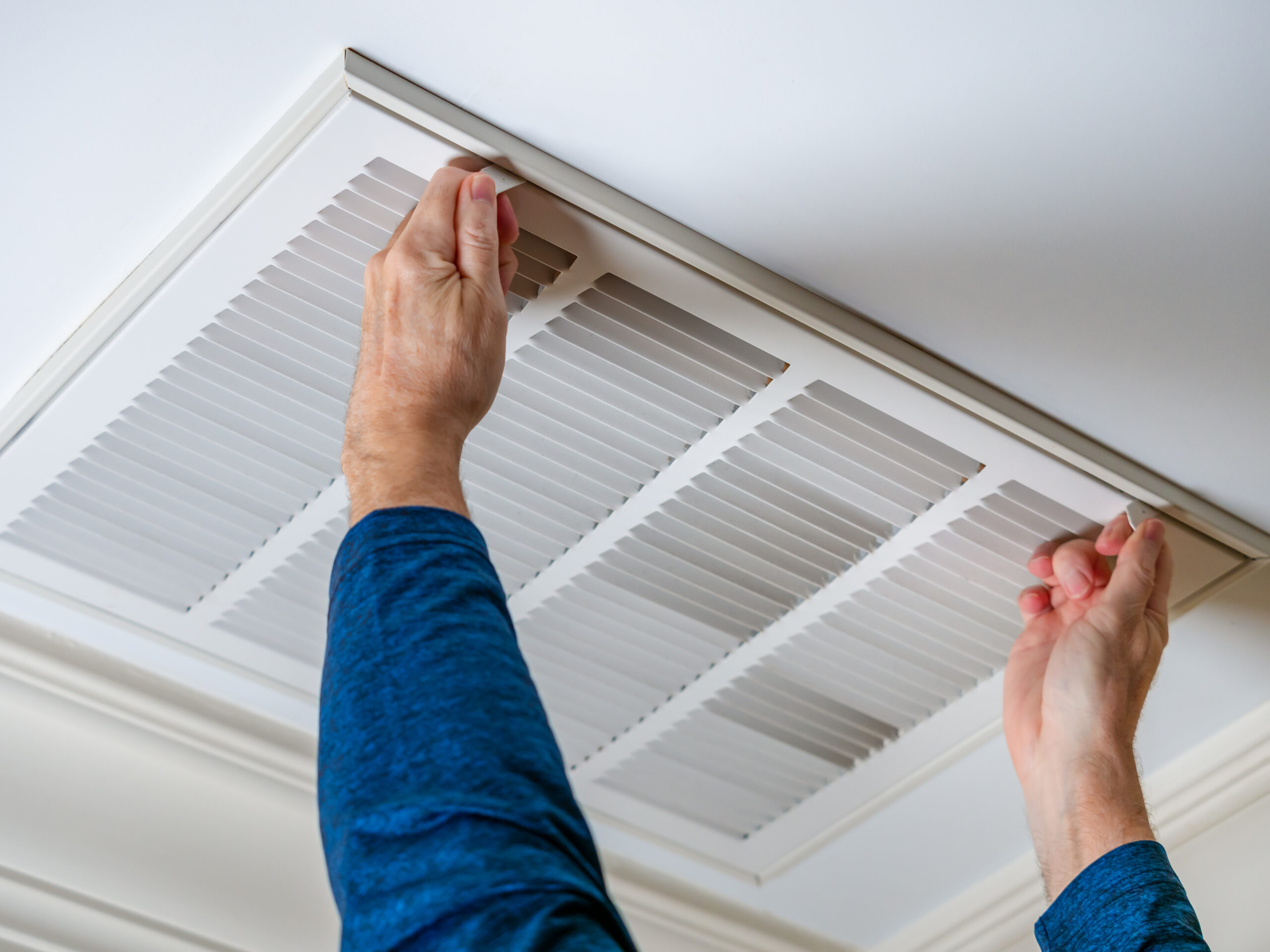
Roofing Milwaukee Pros Explain What Is Going On
Roofing Milwaukee experts explain why your attic stays hot even with vents open and how to fix it. Get solutions now. Schedule a free inspection today. Call now.
If your attic feels like a sauna even with the vents open, you are not alone. Homeowners across Waukesha and the greater Milwaukee area deal with attic heat that will not go away. It drives up cooling bills, makes bedrooms under the attic uncomfortable, and can shorten the life of your roofing system. At Precision Home Exteriors LLC, we help local families cut attic temperatures by fixing the real causes, not just the symptoms. Our team focuses on craftsmanship, ethically sourced materials, honest, fair prices, and guaranteed satisfaction. Here is how to diagnose the problem and the steps we take to solve it for good.
Why a Hot Attic Is a Big Deal in Southeast Wisconsin
Even a well-insulated home can struggle if the attic runs hot. In our climate, you face two seasons of risk. In summer, superheated attics radiate heat down into living spaces and force your air conditioner to work harder. In winter, warm attic air melts snow on the roof which refreezes at the eaves and forms ice dams. Both seasons stress your roofing, decking, and insulation. Addressing this now protects your roof, lowers energy costs, and improves comfort all year.
- Energy bills rise as cooling and heating systems fight temperature swings.
- Shingles age faster when trapped attic heat cooks the roof deck.
- Ice dams and condensation increase the chance of leaks and mold.
- Bedrooms near the attic become hard to keep comfortable.
Common Reasons Your Attic Is Hot Even With Vents Open
1. Unbalanced Intake and Exhaust Ventilation
Proper attic ventilation is a system. You need cool air coming in at the soffits and warm air leaving at or near the ridge. If you have lots of exhaust vents but almost no intake, the system starves and heat builds up. The opposite is also true. A healthy target is close to a 60 percent intake and 40 percent exhaust split based on net free area. Many Milwaukee homes have only a few small soffit vents that get blocked by paint, pest screens, or old insulation. Likewise, some ridge vents are undersized or lack an external baffle which reduces performance on low wind days.
2. Short-Circuiting From Mixed Vent Types
When a roof has gable vents, box vents, and a ridge vent together, air can short-circuit between vents instead of pulling cool air from the soffits. That creates hot pockets that never clear. We often see this on older homes across Waukesha where additions were vented differently over the years. The fix is to design a single, balanced path for air to travel from intake to exhaust.
3. Blocked or Missing Baffles at the Eaves
Baffles, also called rafter vents, keep the airflow channel open from the soffits into the attic. If they are missing or crushed by insulation, the intake stops working. Even when soffit vents look open from outside, the path can be blocked on the inside. We install baffles in every rafter bay at the eaves to protect intake and keep insulation from drifting into the airflow.
4. Insufficient or Compacted Insulation
Open vents cannot overcome poor insulation. If your attic floor has uneven coverage, gaps around can lights or bath fans, or insulation that has settled, heat from the living space enters the attic and stays trapped. In Southeastern Wisconsin we typically recommend R-49 to R-60 in the attic using blown-in fiberglass or cellulose. This helps separate living space heat from the roof structure and reduces radiant heat gain into rooms below.
5. Air Leaks From the House Into the Attic
Attic heat is often a symptom of air leakage. Recessed lights, the attic hatch, plumbing stacks, electrical penetrations, and wall top plates can leak a lot of conditioned air. In winter this creates condensation and potential mold. In summer it fuels a hot attic. Air sealing these bypasses with foam, caulk, gasketed covers, and weatherstripping is one of the most cost-effective steps we take before adjusting vents.
6. Ducts and Fans That Leak or Vent Into the Attic
Supply and return ducts that run through the attic can dump cold or warm air where it does not belong. Bathroom or kitchen fans that discharge into the attic add heat and moisture. Both issues compound temperature problems. We seal and insulate ducting and always route bath and kitchen fans directly outdoors with proper hoods.
7. Dark or Heat-Absorbing Roofing Without Reflective Upgrades
Dark shingles absorb more solar energy. If combined with weak ventilation, the attic will spike in temperature. When it is time for a roof replacement, we can recommend shingles with higher solar reflectance or lighter colors to reduce heat gain. On low-slope sections, white EPDM can be a smart choice. These material choices, combined with correct venting, can noticeably lower attic temps.
8. Low-Slope and Complex Roofs Need a Different Approach
Many homes in the Milwaukee area have dormers, knee walls, or low-slope additions. These zones do not ventilate well with standard ridge-and-soffit setups. They may benefit from a smart intake vent near the eaves, low-profile exhaust vents near the high point, or in some cases an unvented, conditioned roof approach using spray foam applied to the roof deck. Precision Home Exteriors LLC evaluates each roof plane to design a solution that actually moves air where it needs to go.
9. Attic Fans Working Against Natural Ventilation
Powered attic fans can help under certain conditions, but they often backfire. A fan can pull conditioned air from your home through leaks instead of drawing air in through soffits. That makes the house hotter and the attic still stays warm. We test the airflow, seal leaks first, and use fans only when the overall ventilation plan supports them.
How We Fix a Too-Hot Attic
Step 1: A Thorough Inspection
Our roofing Milwaukee team starts with a free, no-pressure inspection. We check the roof exterior, soffits, ridge, gables, and any powered vents. Inside, we measure insulation depth, look for baffles, test for air leakage, and check for signs of moisture or past ice dams. If you have low-slope areas, we pay special attention to EPDM seams and drainage. You will get clear findings and photos so you know what is happening and why.
Step 2: Air Seal the Attic Floor
Before adding insulation or adjusting venting, we stop the leaks. We seal the attic hatch and weatherstrip it, cover IC-rated recessed lights, foam wire and pipe penetrations, and caulk top plates. This keeps your conditioned air in the house and reduces the heat load into the attic.
Step 3: Restore or Add Baffles and Intake
We install baffles in every rafter bay at the eaves so air can move freely from the soffits into the attic. If your home lacks continuous soffit venting, we can swap solid panels for vented aluminum or add smart edge intake vents. Clean, unobstructed intake is the backbone of a cool attic.
Step 4: Right-Size Exhaust Venting
Next, we balance the system. A continuous ridge vent with an external baffle often performs best across Waukesha due to our wind patterns. On more complex roofs, we supplement with box vents placed near the ridge or a carefully sized powered fan when needed. We avoid mixing gable and ridge vents in ways that short-circuit the airflow.
Step 5: Upgrade Insulation to R-49 or Better
We top off or replace compacted insulation with high-quality, ethically sourced materials. Blown-in fiberglass or cellulose provides consistent coverage around framing. We build insulation dams to keep material away from the eaves and maintain a clear intake path. Proper insulation lowers energy bills and stabilizes indoor temperatures.
Step 6: Fix Ducts and Vent Bath Fans to the Exterior
We seal and insulate any ductwork running through the attic. Bath and kitchen fans are rerouted outdoors with smooth, insulated ducting to prevent heat and moisture buildup.
Step 7: Consider Cool Roof Options at Replacement
If your roof is near the end of its life, material choice matters. Higher reflectance shingles, lighter colors, and white EPDM on low-slope sections all reduce heat gain. Pair that with balanced ventilation and you get a cooler attic, longer shingle life, and improved comfort.
Signs Your Attic Venting Is Not Working
- Second-floor rooms are much warmer than the first floor in summer.
- HVAC runs constantly but struggles to keep up.
- Shingles look cupped or brittle well before the warranty term.
- Rusty nails or damp sheathing visible in the attic in winter.
- Dusty, stained insulation near the eaves from past air leakage.
- Ice dams along the eaves, even after normal snowfalls.
Roofing Milwaukee Climate Considerations
Our summers get humid and sunny, which loads your roof with radiant heat. Winters bring long cold snaps. That swing is tough on roofs. Ventilation and insulation must work together to keep attic temperature and humidity in a safe range. The right setup reduces energy use in July and prevents condensation in January. Precision Home Exteriors LLC designs systems with our local climate in mind, not a one-size-fits-all idea pulled from a different region.
FAQ: Attic Heat and Ventilation
Should I add more vents if my attic is hot?
Maybe, but more vents alone can make things worse if intake and exhaust are not balanced. We measure net free area and set a path so air starts at the soffits and exits at the highest point. Balance is what cools an attic.
Do attic fans help?
They can help in specific cases, but only after air sealing and intake are addressed. Otherwise, a fan can pull cold air out of your home through leaks and raise energy costs.
Will this also stop ice dams?
Better air sealing, insulation, and balanced ventilation are the core steps to reduce ice dams. In most Waukesha homes, these steps make a big difference.
How much insulation do I need in Wisconsin?
We typically recommend R-49 to R-60 in attics for Southeastern Wisconsin. The right amount depends on your roof framing and space, but that range works well for our climate.
How long does an attic ventilation and insulation upgrade take?
Most projects take one to two days, depending on attic size and access. Complex roofs or duct repairs can add time.
Why Homeowners Choose Precision Home Exteriors LLC
- Craftsmanship first. Every attic is different, so our solutions are designed and installed with care.
- Ethically sourced materials. We choose products we trust for performance and sustainability.
- Honest, fair prices. Clear quotes with no surprises and options that fit your budget.
- Guaranteed satisfaction. We stand behind our work so you can feel confident in the results.
- Local expertise. Our gallery shows real Waukesha projects, including asphalt shingle replacements and EPDM on low-slope roofs.
Our Full Exterior Services
We are more than a roofing Milwaukee contractor. Precision Home Exteriors LLC is a residential exterior specialist serving Waukesha and surrounding Southeast Wisconsin communities. Our services include roofing, siding, windows and doors, soffits, fascia, trim, gutters, and even concrete.
- Roofing: asphalt shingles, cedar shake, and EPDM for low-slope roofs.
- Siding: aluminum or steel, LP SmartSide, vinyl, Hardie Plank, and cedar.
- Windows and Doors: energy-efficient vinyl, wood, and fiberglass options.
- Soffits, Fascia, Trim and Gutters: seamless aluminum gutters, gutter screens, flip-up downspouts, and aluminum wraps.
- Concrete: driveways, sidewalks, aprons, and patios to complete your exterior upgrade.
What to Expect During Your Free Attic and Roof Check
- Call or schedule online. Reach Precision Home Exteriors LLC at (262) 894-1154 or (262) 388-1600, or visit phe.contractors.
- On-site assessment. We inspect your roof, soffits, ridge or box vents, and the attic interior.
- Clear plan. You will get a straightforward explanation and photos of what we find.
- Customized solutions. We design a balanced ventilation and insulation plan that fits your roof structure and budget.
- Clean, careful work. Our crew protects your home and cleans up completely when finished.
- Follow-up. We review the results and answer any questions so you know your attic is in good shape.
Practical Tips to Keep Your Attic Cooler Right Now
- Make sure bathroom and kitchen fans vent outside and not into the attic.
- Keep soffit vents free of debris. If you can see daylight evenly along the eaves from the attic, intake is likely working.
- Seal and weatherstrip the attic hatch to stop air leakage.
- Use a simple attic thermometer and hygrometer to monitor conditions through the seasons.
- Plan roof replacements with ventilation in mind, not just shingle color.
The Bottom Line
If your attic is hot even with the vents open, the system is not balanced or the heat load is too high. The answer is not just more vents. It is a coordinated approach that starts with air sealing, protects intake with proper baffles, sizes exhaust correctly, and upgrades insulation to the right level. Roofing Milwaukee homes benefit from a local, climate-aware plan that stops heat at the source and guides air the right way.
Ready for a Cooler Attic and Lower Bills?
Precision Home Exteriors LLC offers free inspections, honest recommendations, and solutions built to last. Our team brings craftsmanship to every detail and uses ethically sourced materials at fair prices. We serve Waukesha and communities across Southeast Wisconsin. Call (262) 894-1154 or (262) 388-1600, or visit phe.contractors to schedule. Hours: Monday through Friday 8 am to 4 pm, Saturday 9 am to 12 pm.
Your home should feel comfortable in every season. Let our roofing Milwaukee specialists diagnose your attic and make it right. Guaranteed satisfaction starts with a conversation. Call today.
